

CECK THE COLOFON OF CITIES 16 AT DEDICATED PAGE
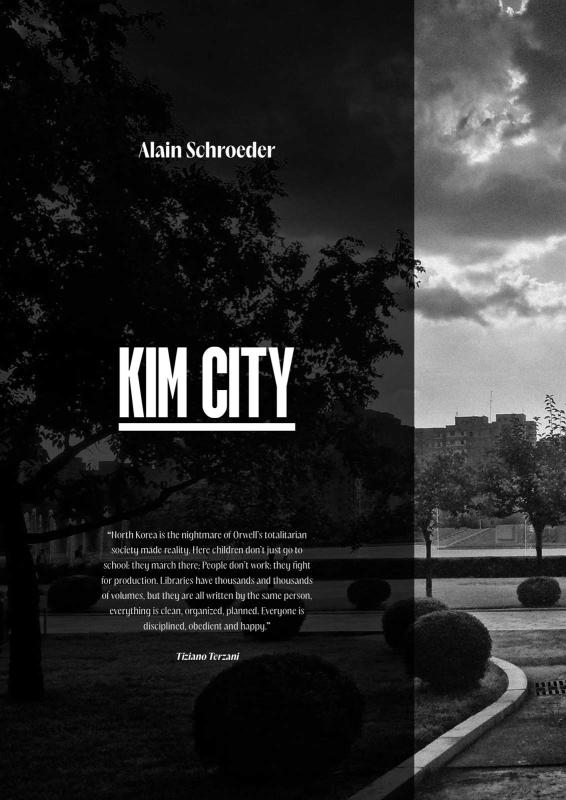
Kim City by Alain Schroeder
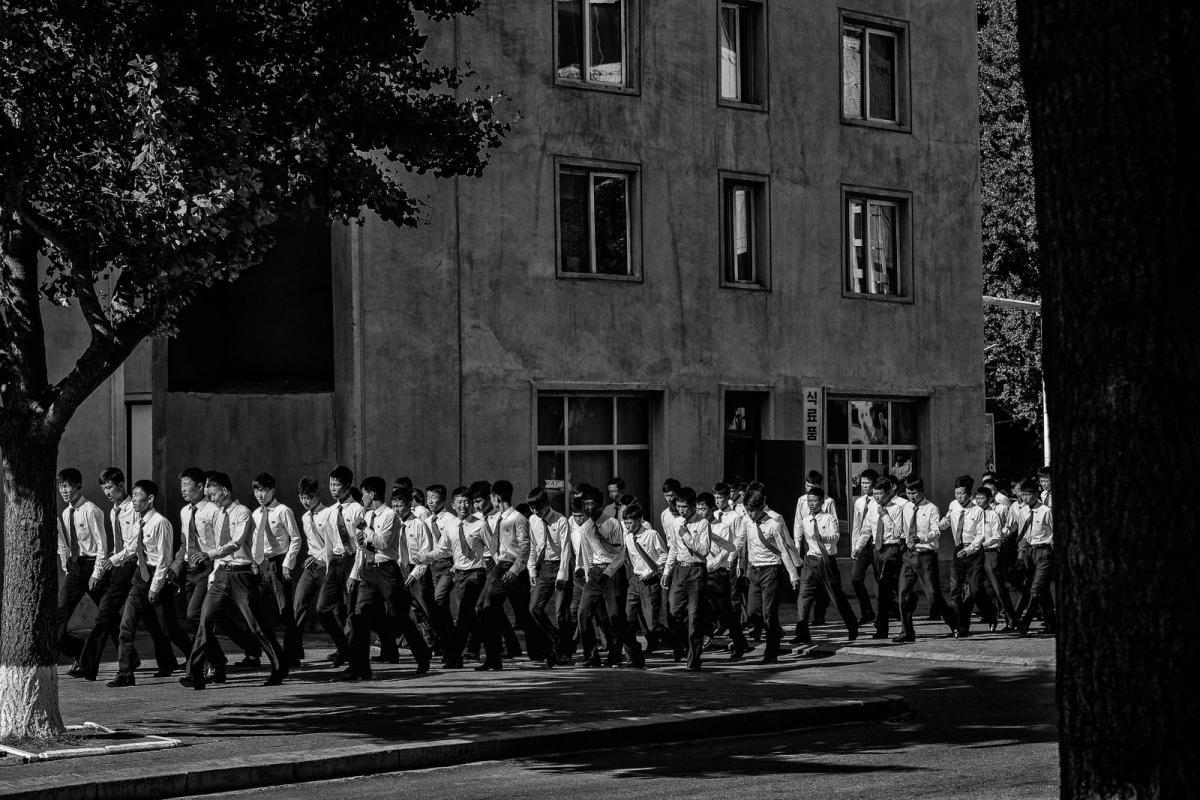
North Korea is the nightmare of Orwell's totalitarian society made reality. Here children don't just go to school: they march there; People don't work: they fight for production. Libraries have thousands and thousands of volumes, but they are all written by the same person, everything is clean, organized, planned. Everyone is disciplined, obedient and happy
Tiziano Terzani
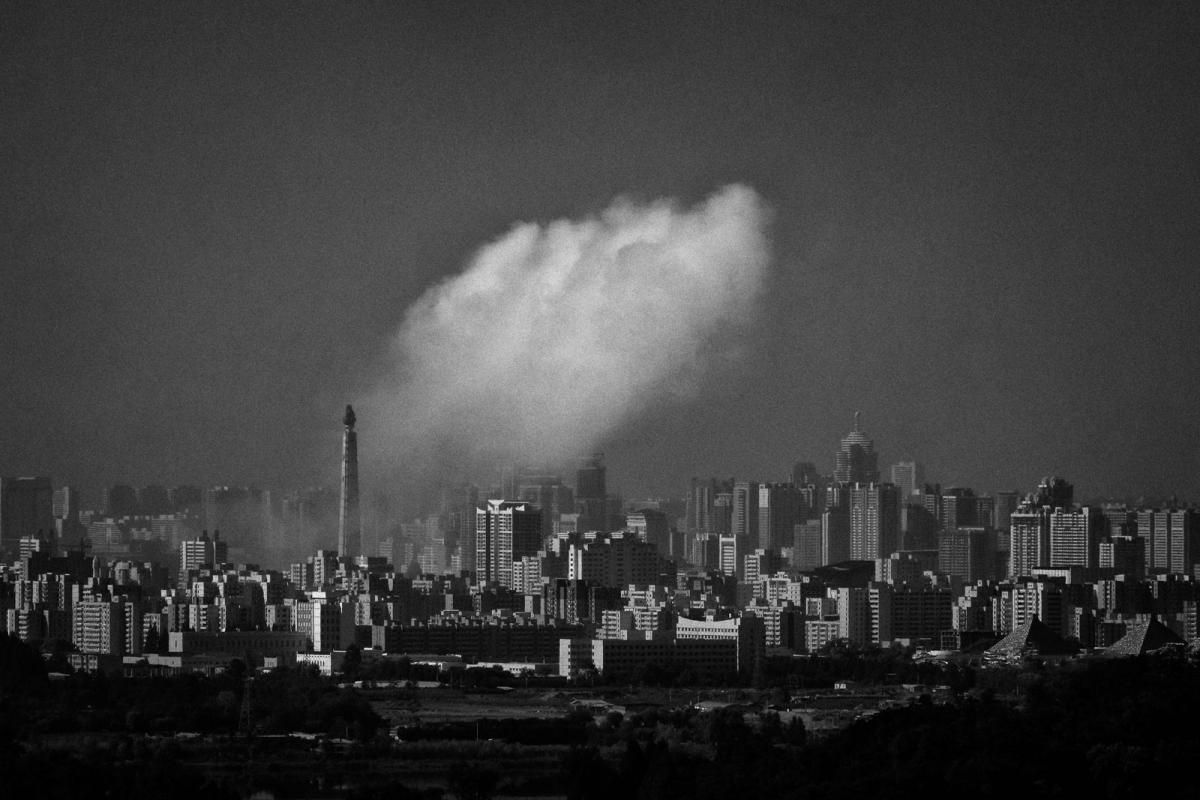
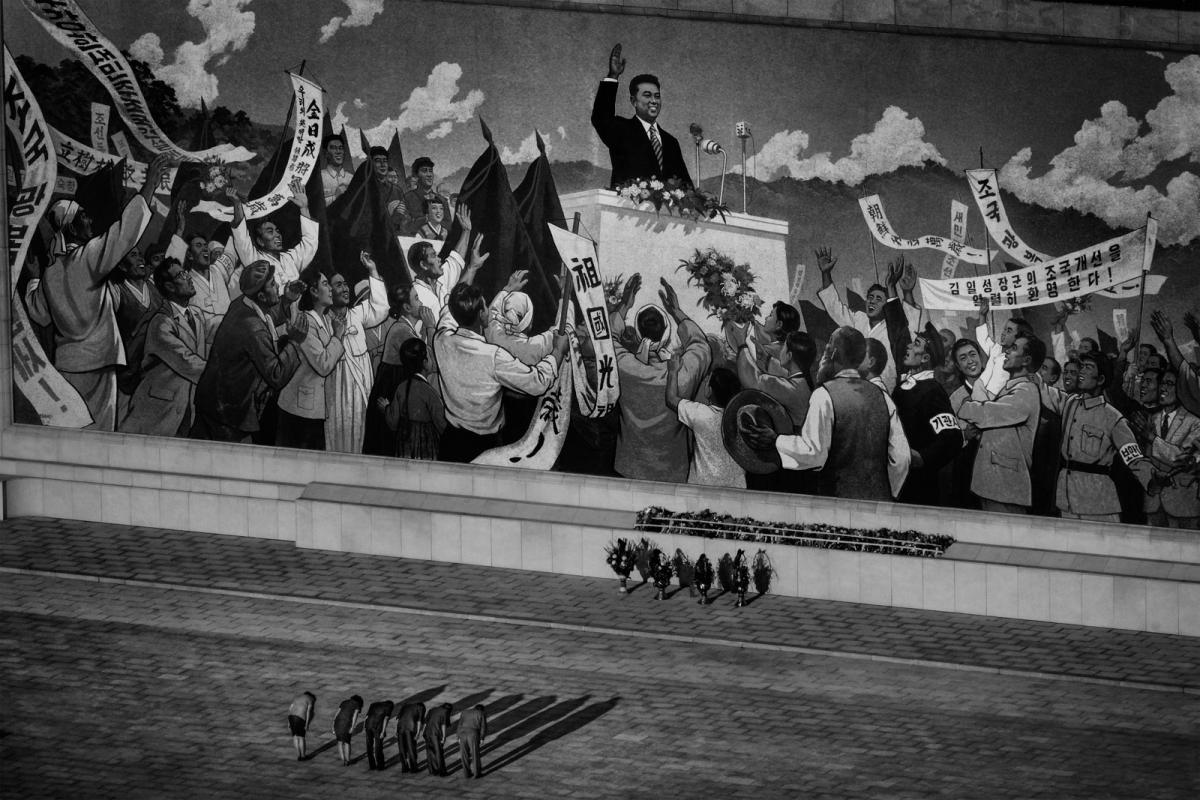
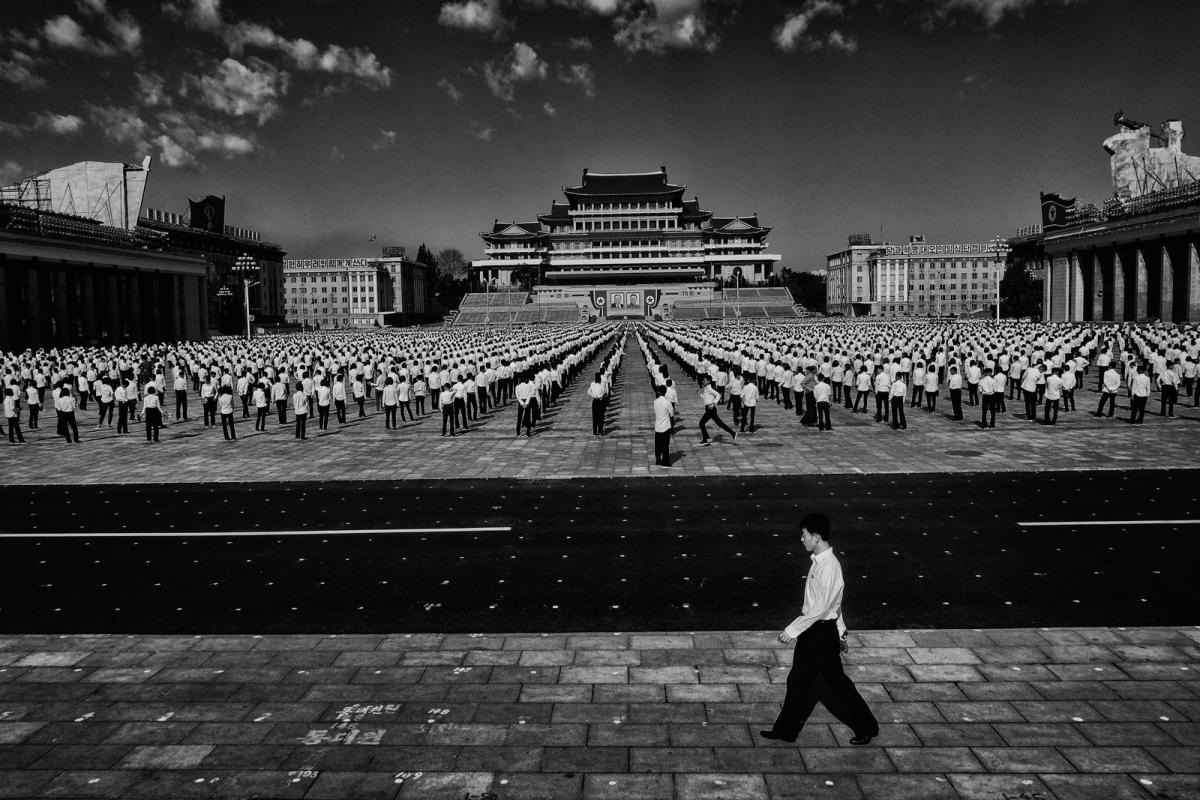
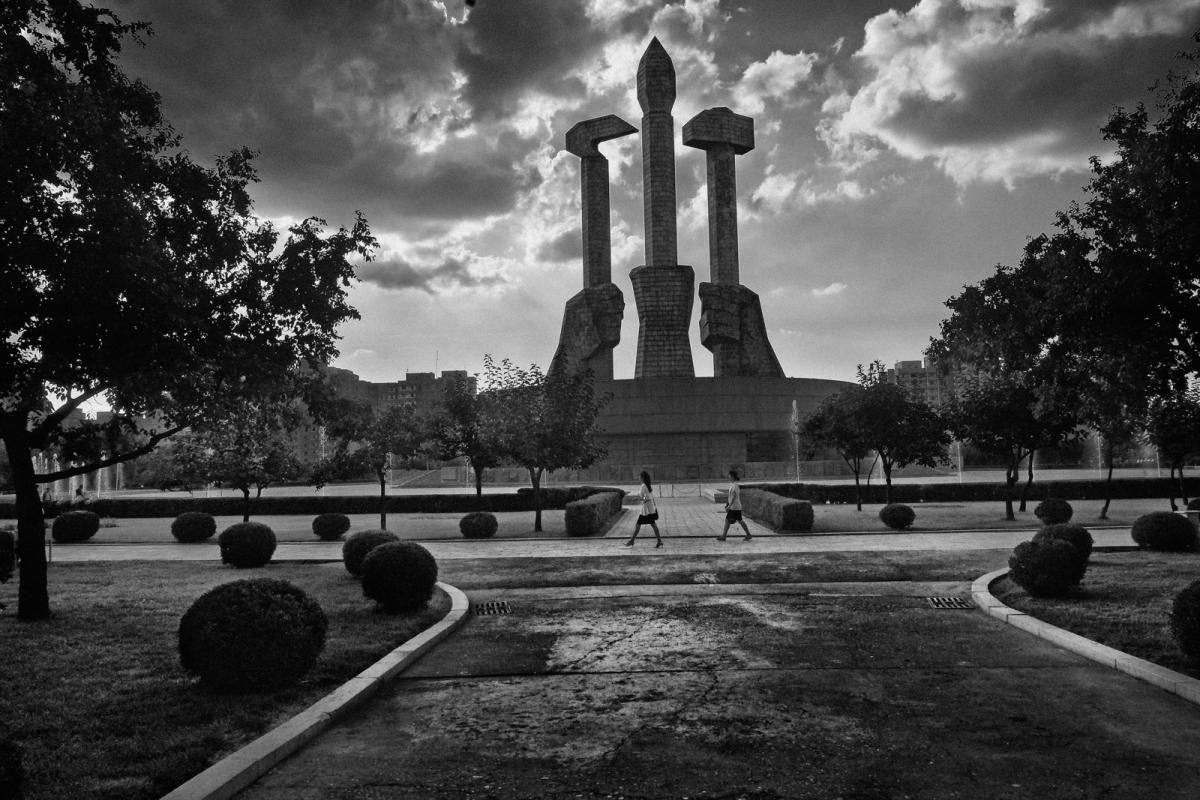
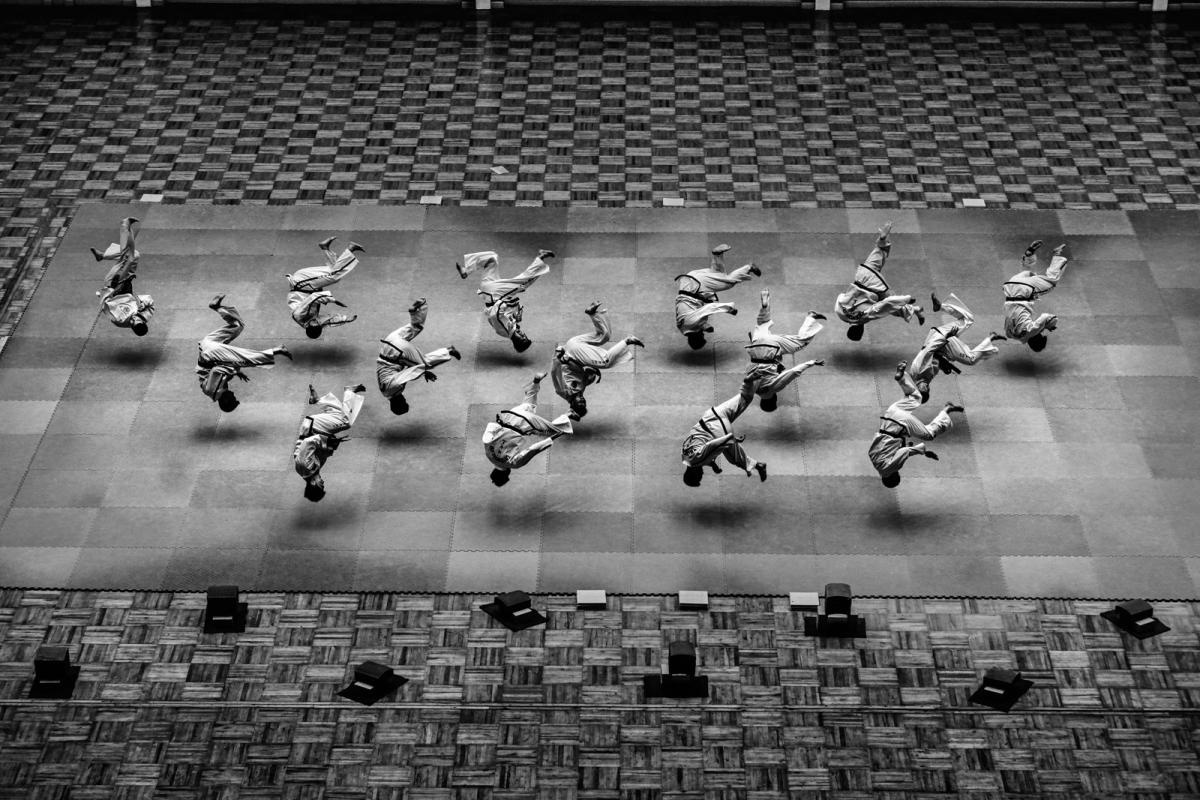
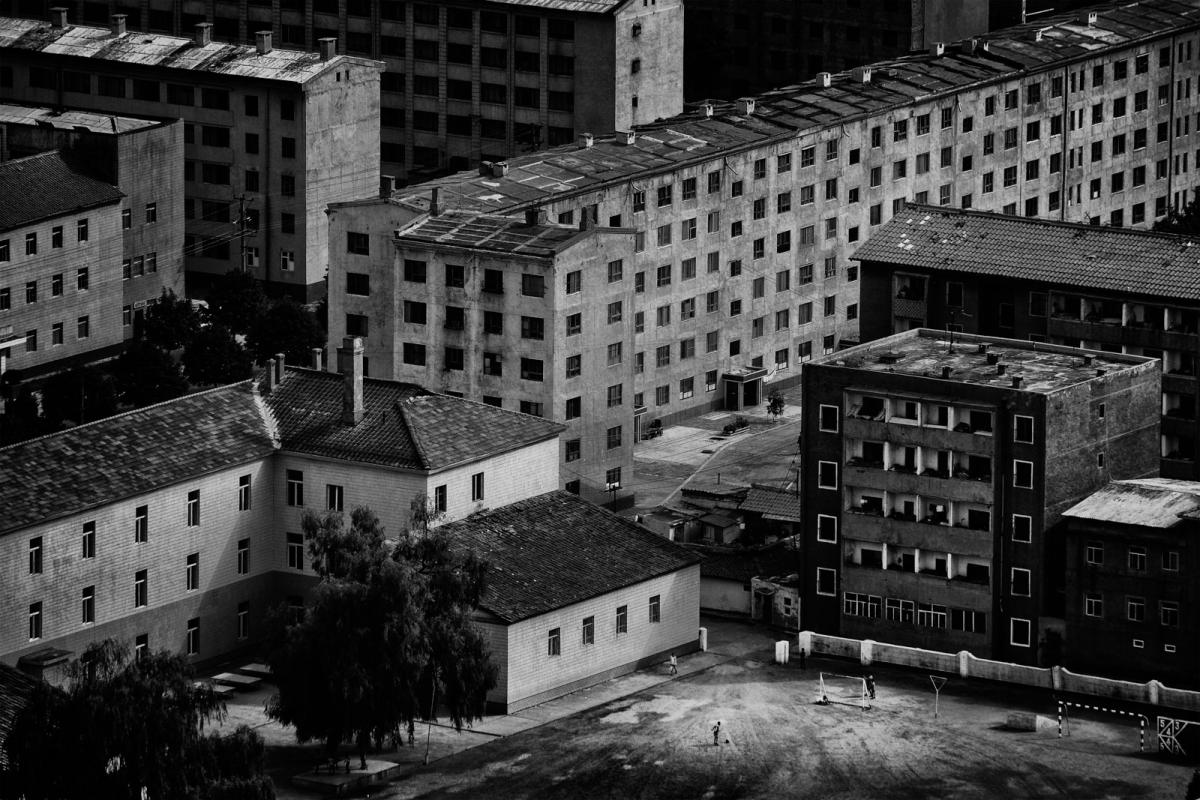
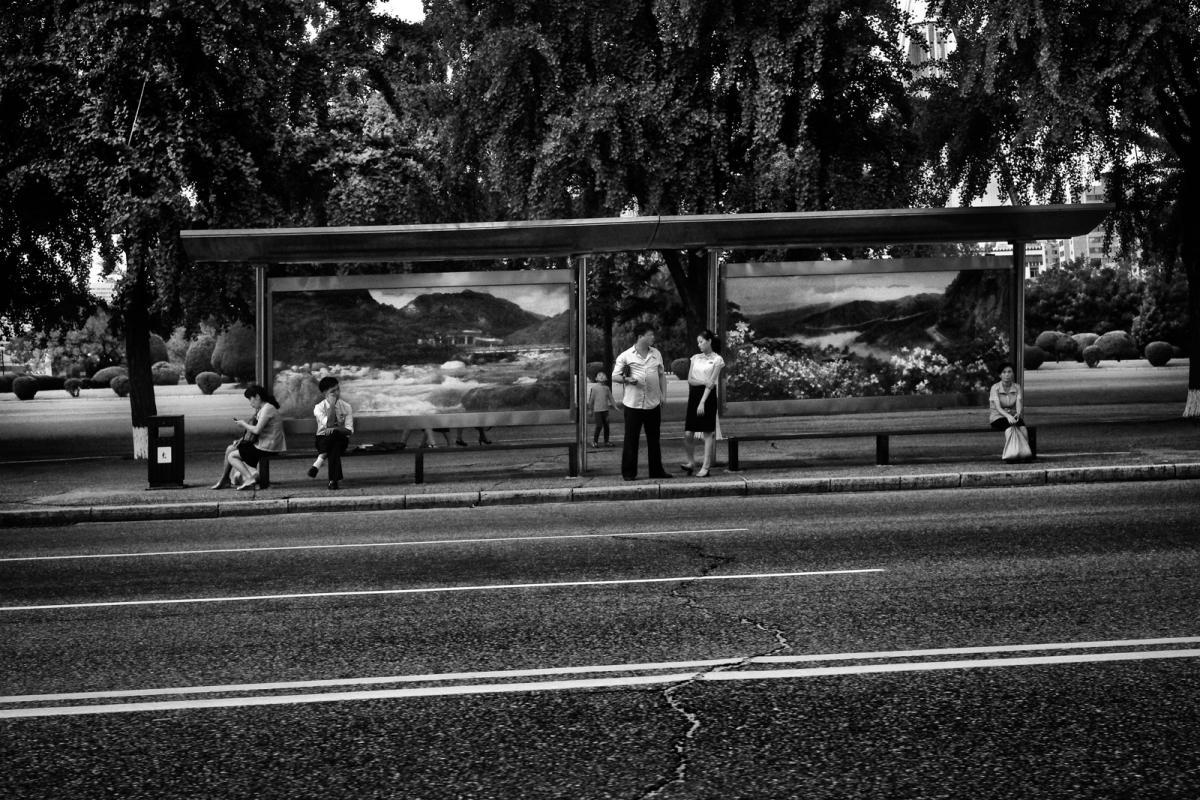
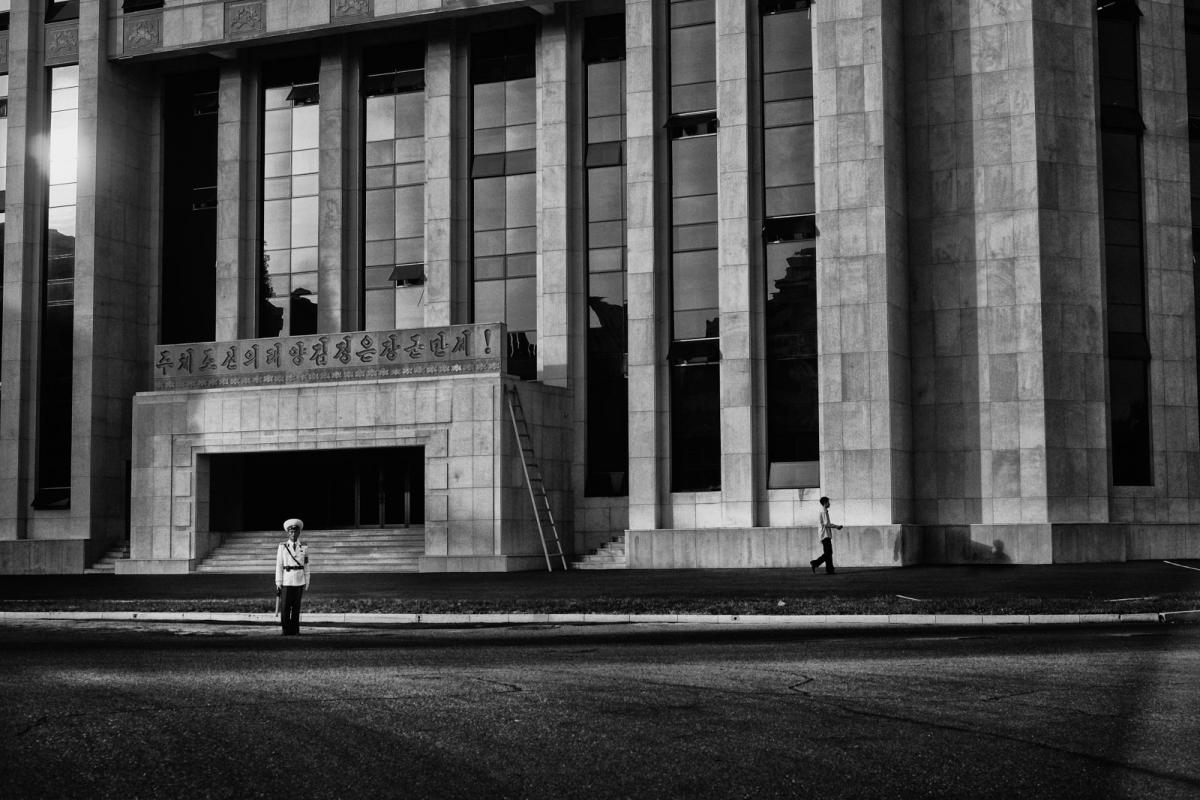
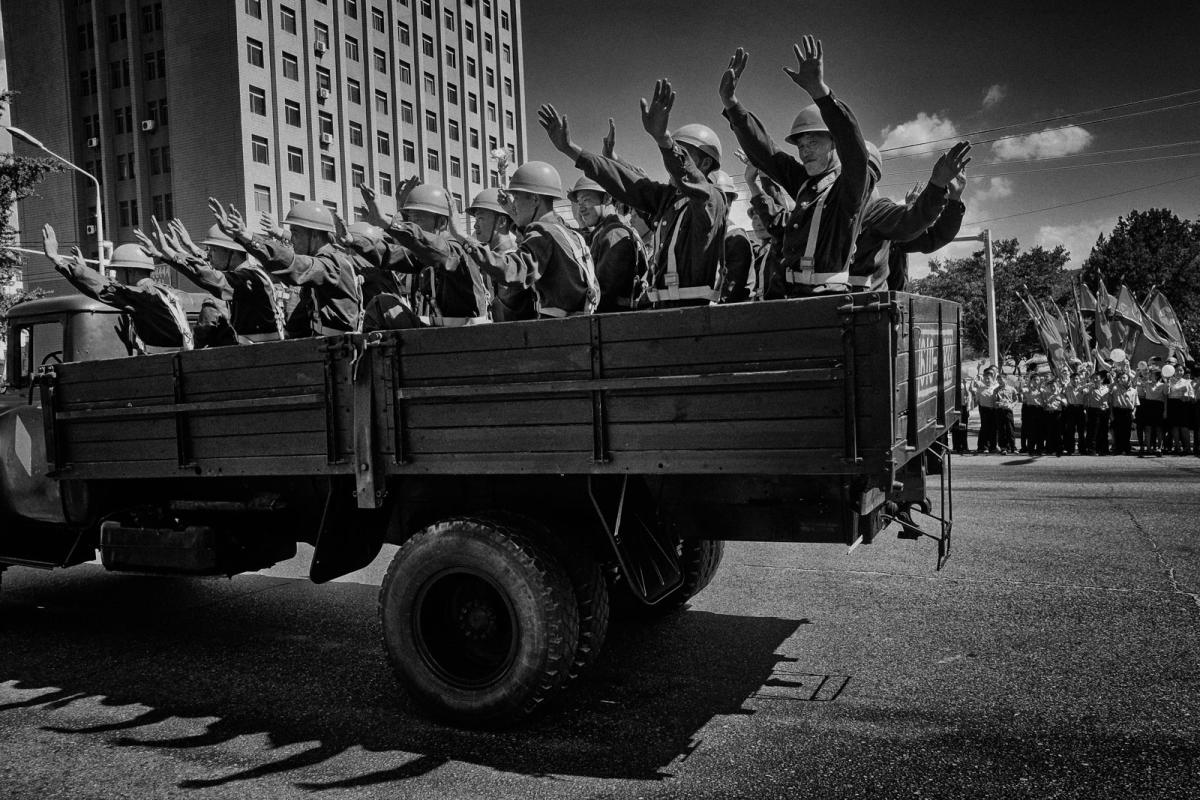
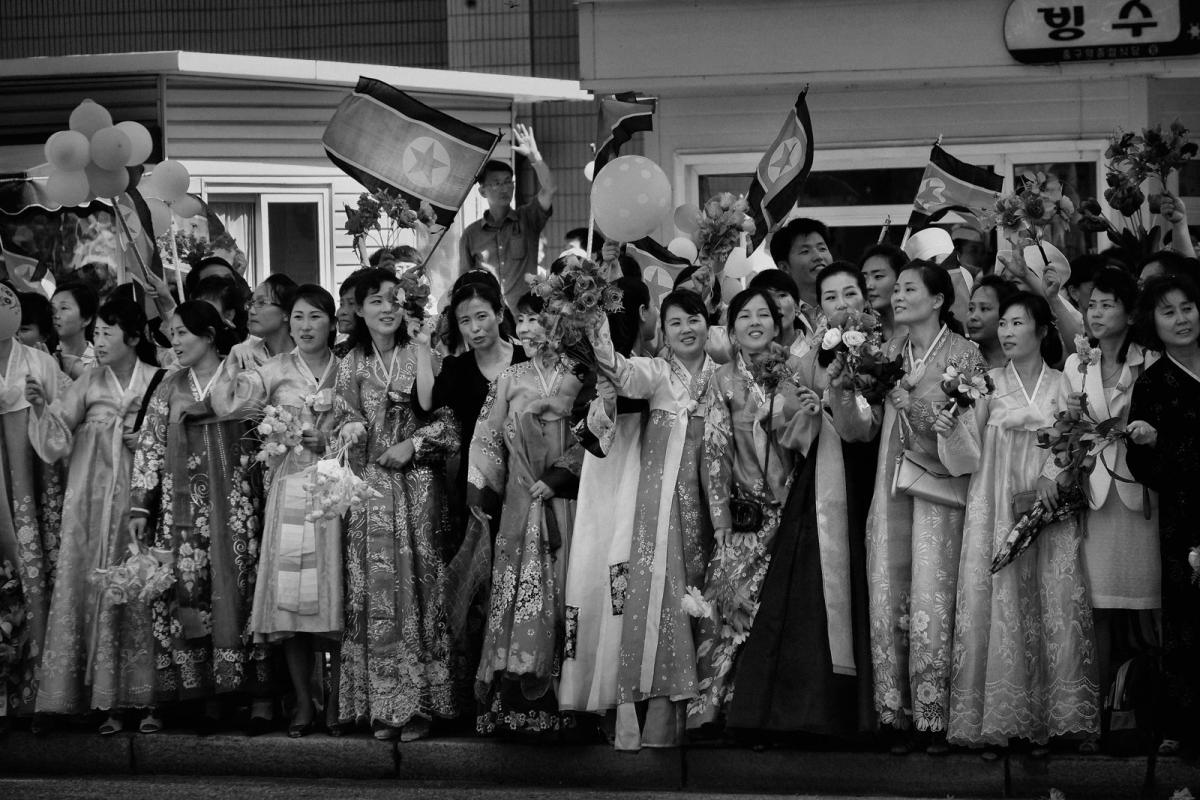
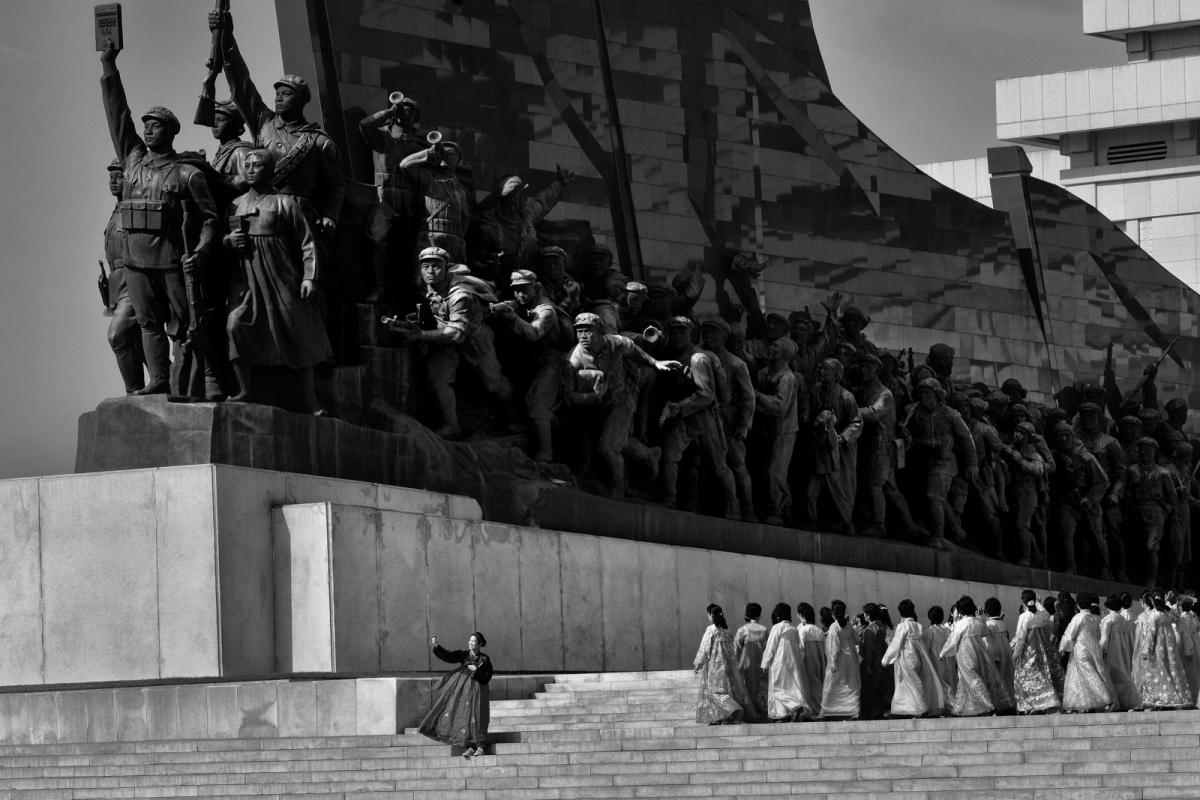
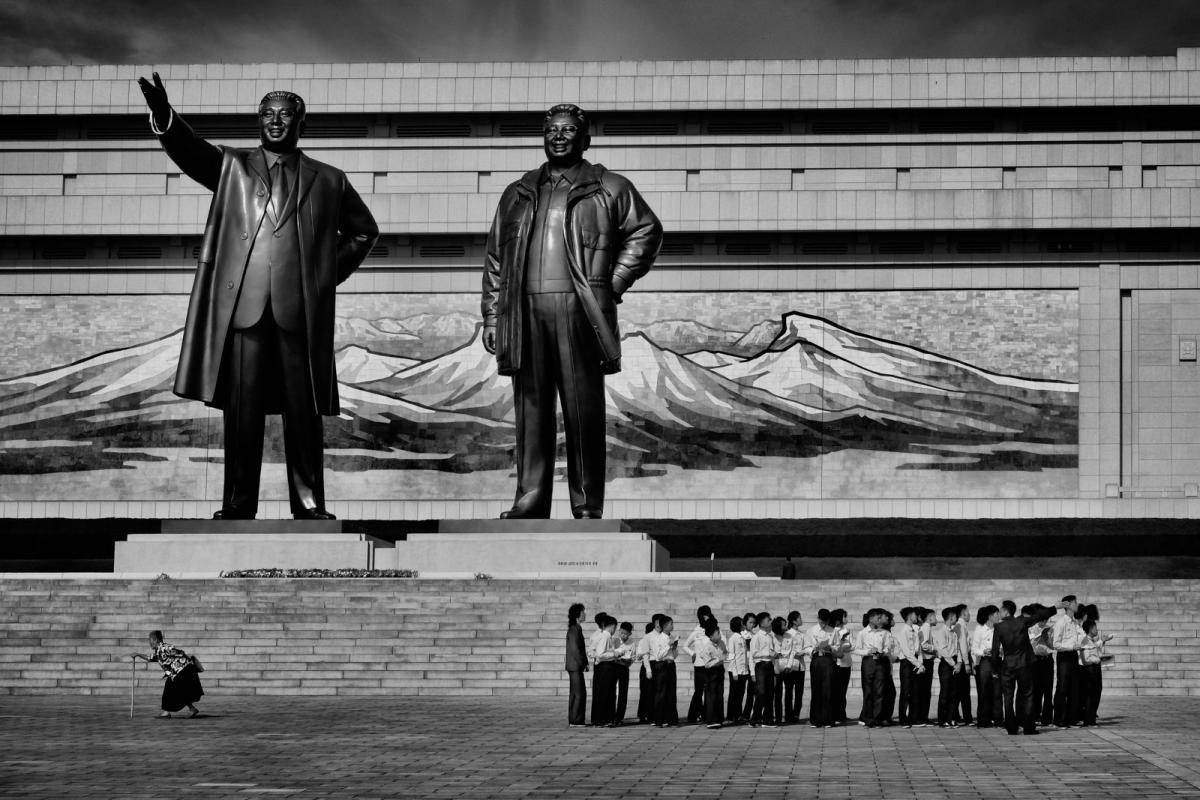
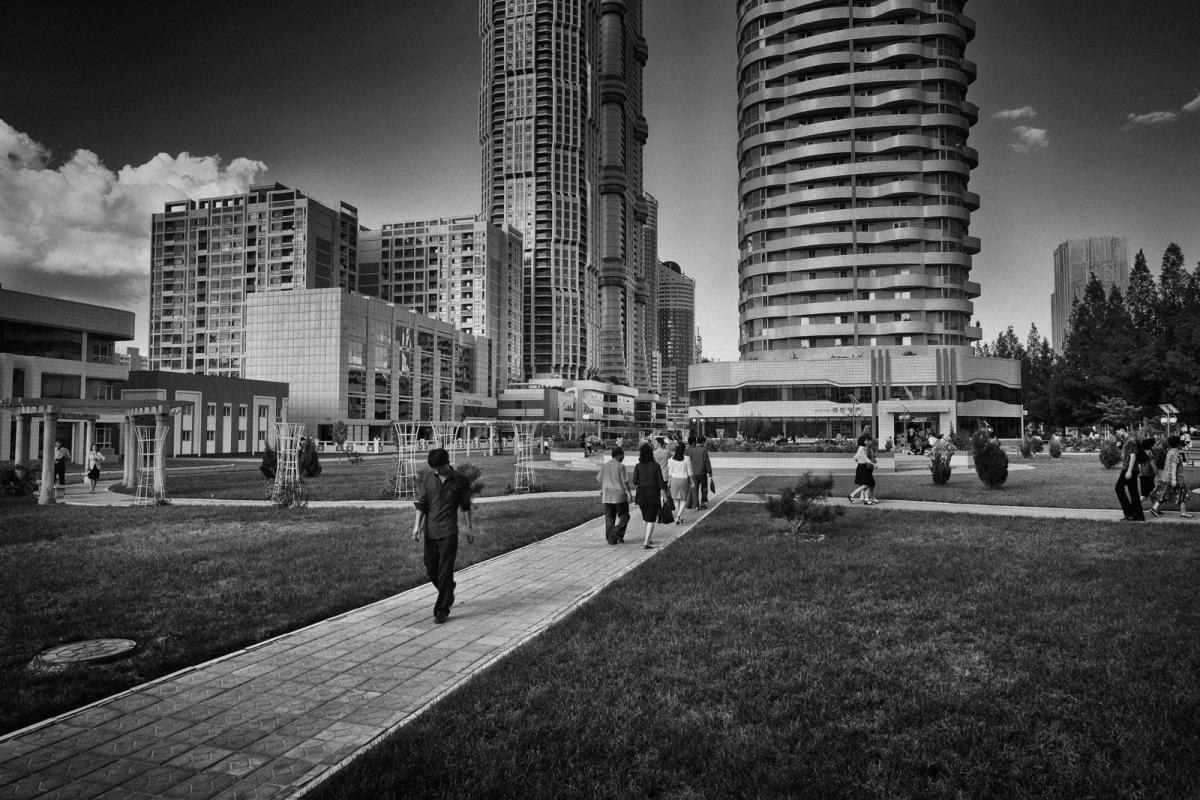
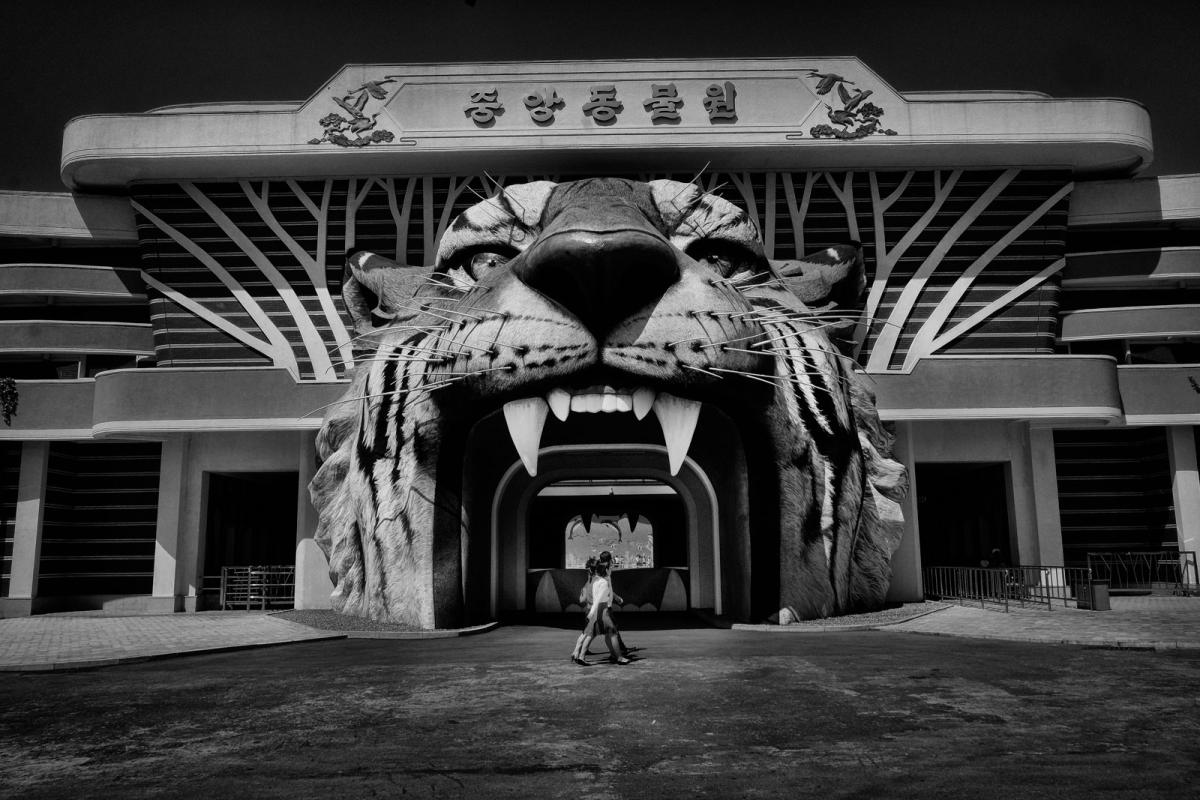
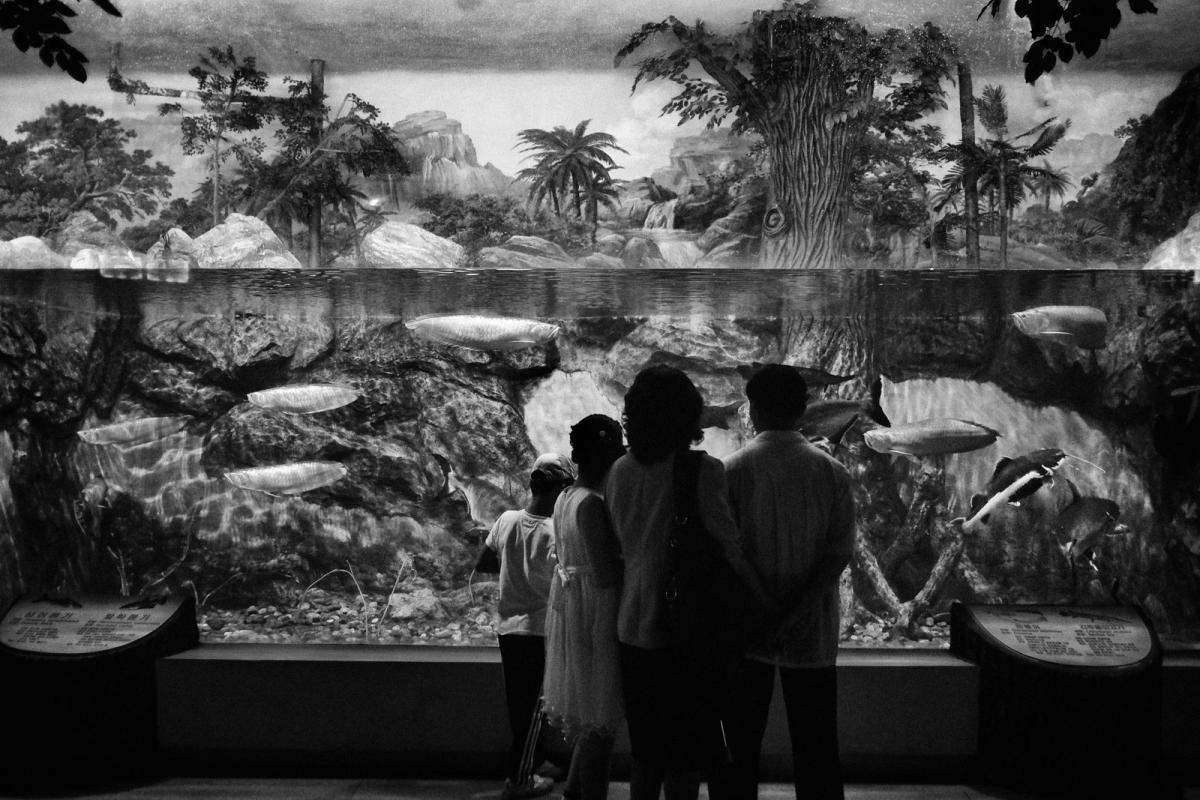
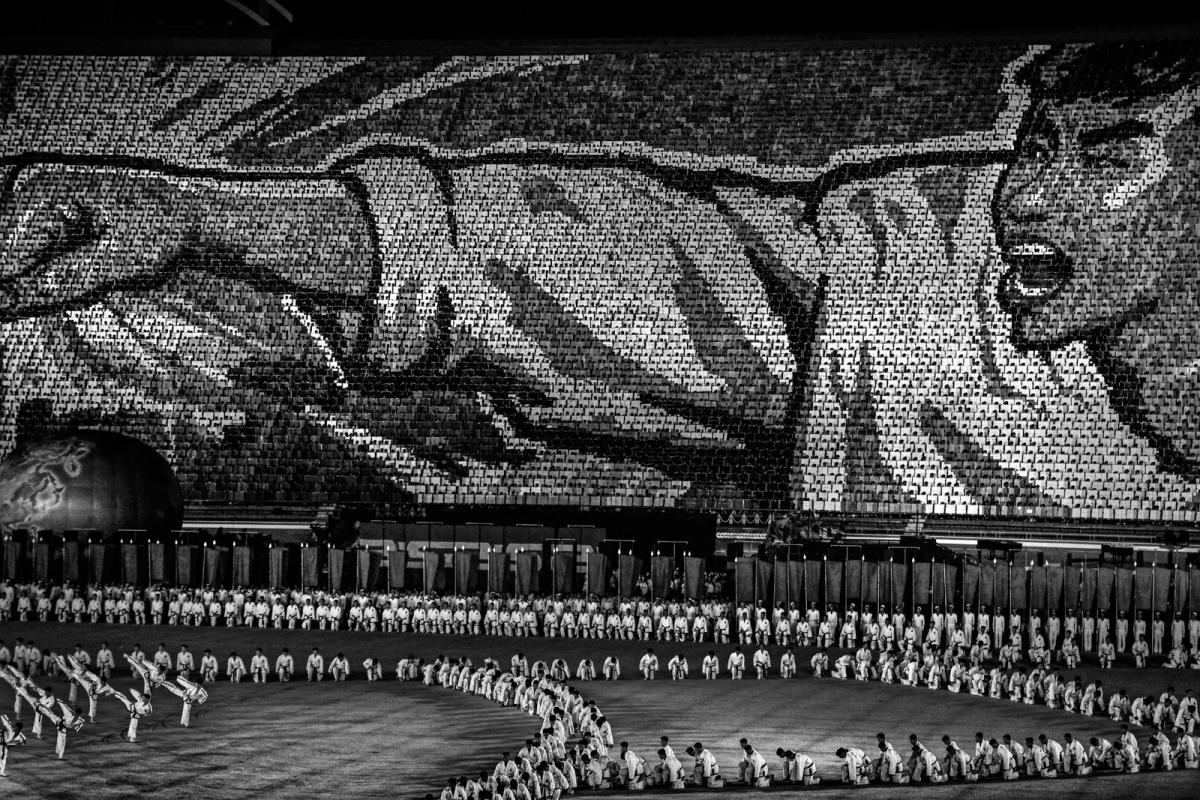
In the panorama of contemporary urban photography, Alain Schroeder's "Kim City" stands out as a powerful visual deconstruction of the urban fabric of Pyongyang, the capital of North Korea. More than the chronicle of a real city, Schroeder's work explores the staging of a geometric utopia, where monumental architecture and human flows are meticulously orchestrated by the regime.
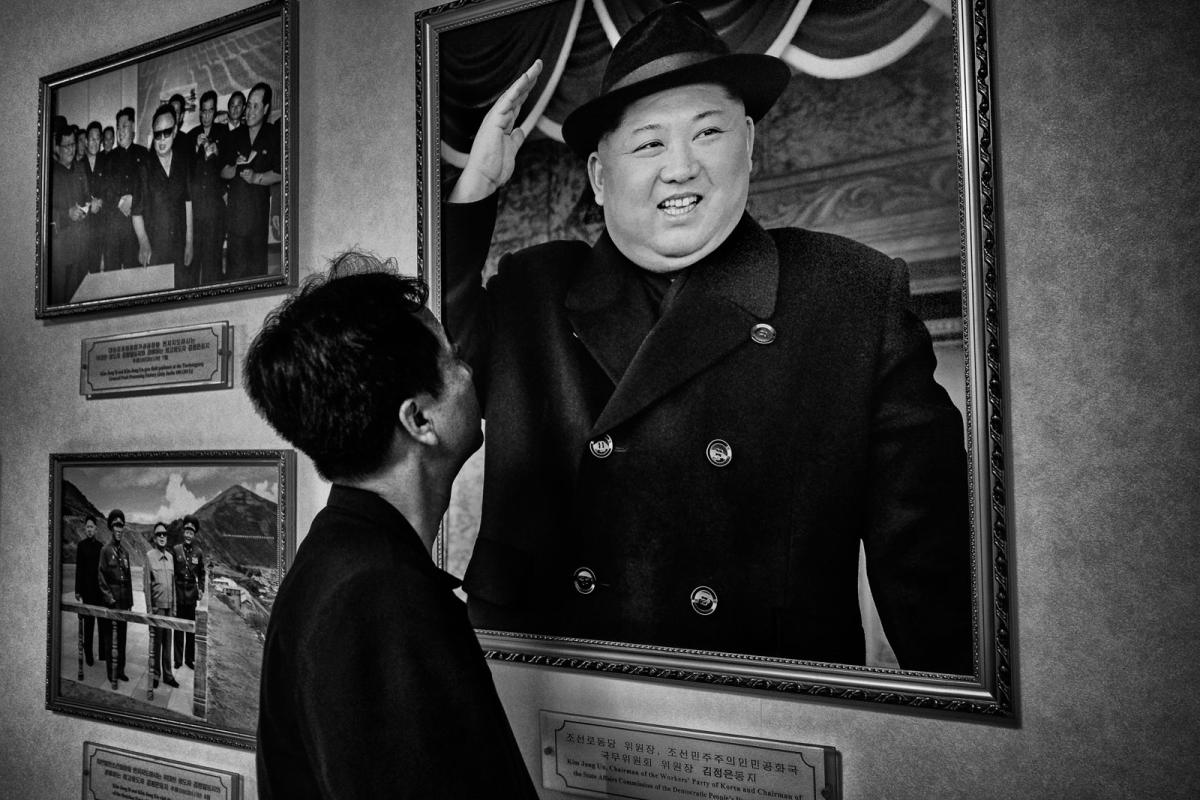
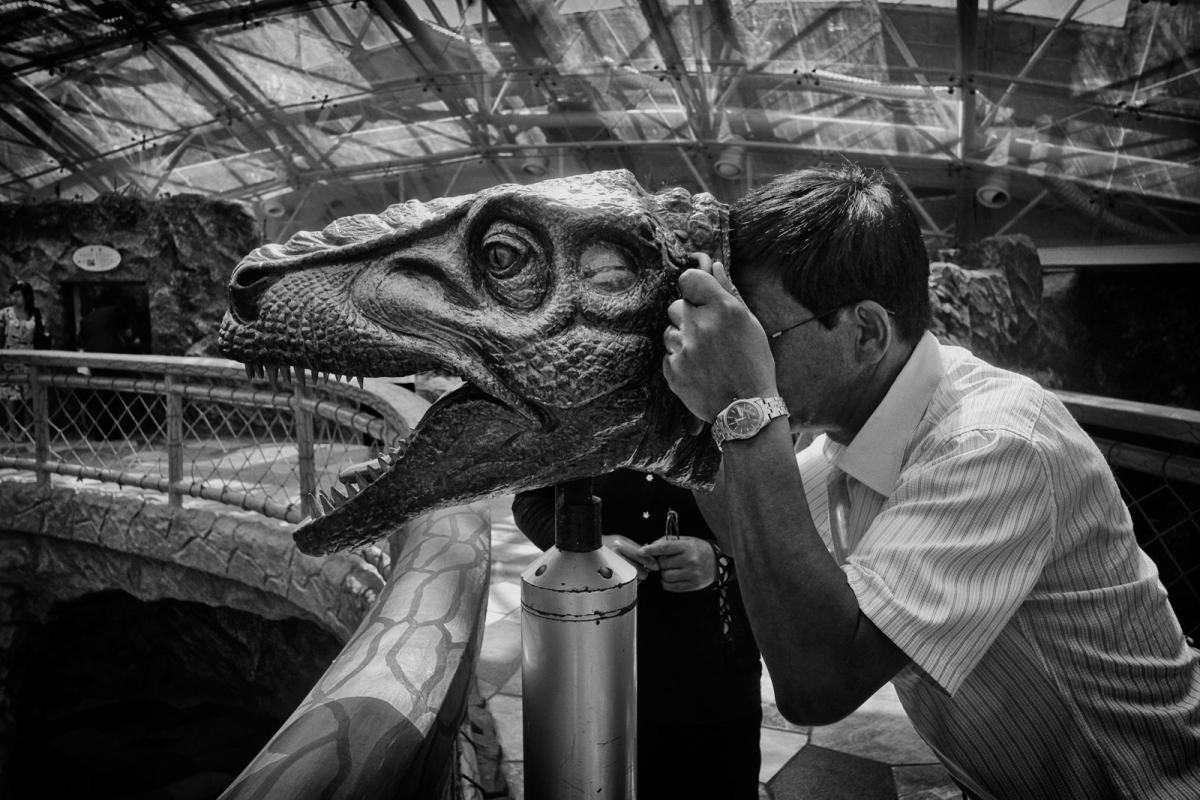
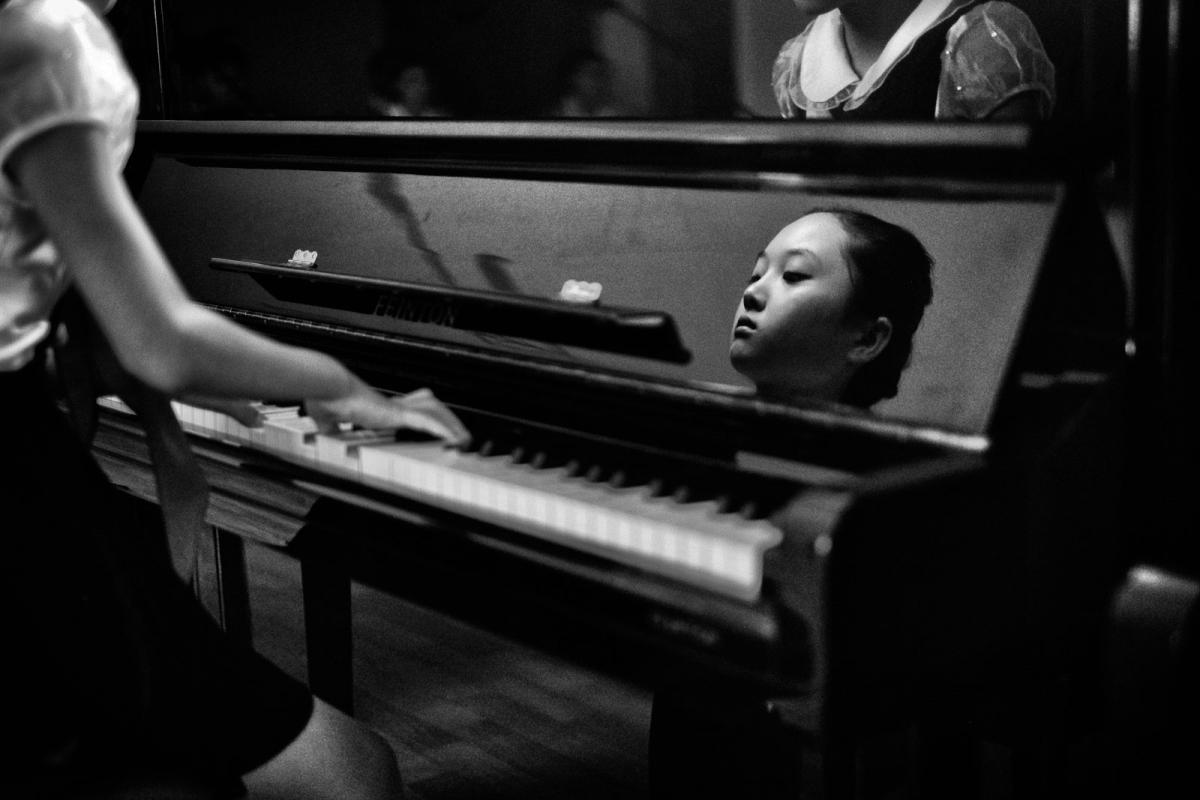
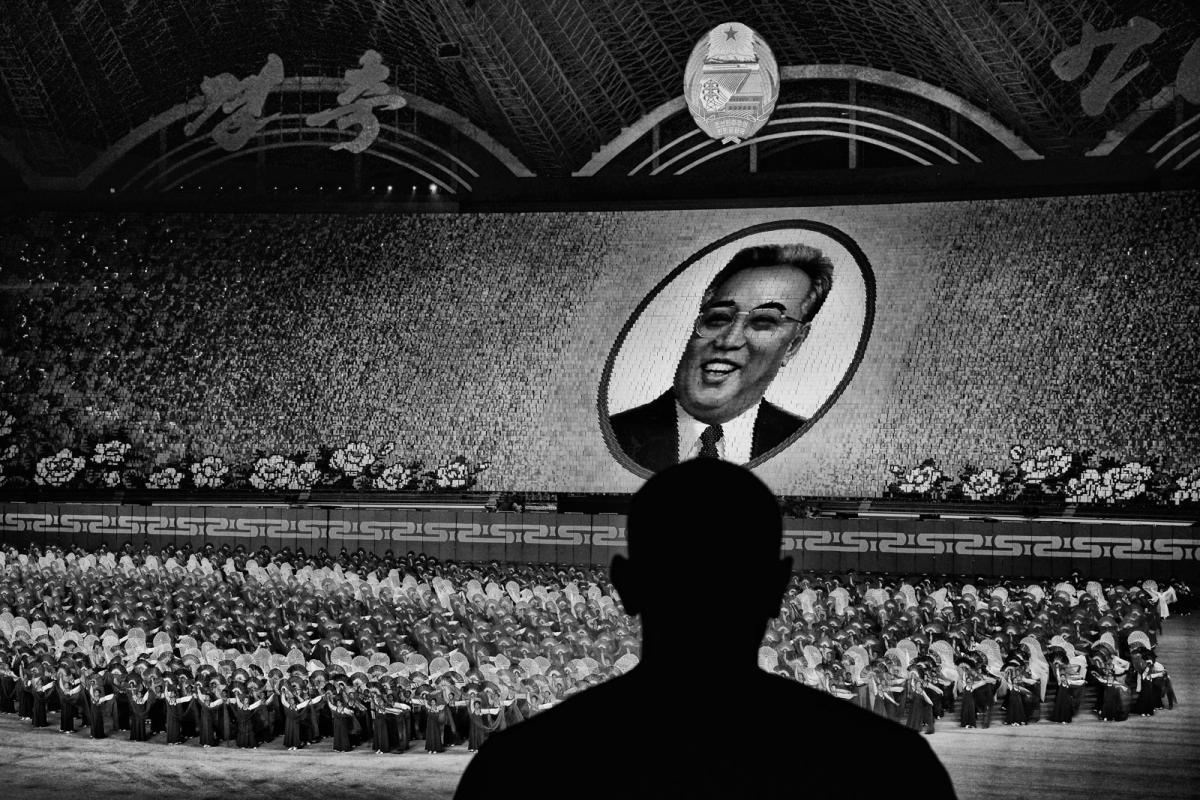
"The environment is totally controlled and there is no choice but to follow the rules," explains Schroeder, describing the experience of moving within an unyielding itinerary, constantly supervised by government guides. This restriction becomes the conceptual fulcrum of the project: the lens does not document deep North Korea, but the façade that it itself has chosen to show. The modern skyscrapers of the recent neighborhoods and the synchronized parades of the Mass Games become the pieces of an idealized narrative, an open-air urban theater in which spontaneity is banned and propaganda becomes concrete and choreographed.
Schroeder captures the tension between the grandeur of the May Day Stadium and the strict visual protocol that prohibits portraying the daily work or vulnerability of individuals. In this circumscribed space, the city ceases to be a spontaneous organism to become a pure representation of the personality cult of the Kim dynasty.
The Belgian photographer's work thus takes on a conceptual value that recalls surrealism: revealing artifice through the obsessive precision of the image. "When you look at these images," warns the author, "remember Magritte: this is not North Korea." It is the representation of a simulacrum, a magnetic investigation into how political power can entirely shape and confine urban space and image.
Sonia Pampuri