

CECK THE COLOFON OF CITIES 16 AT DEDICATED PAGE
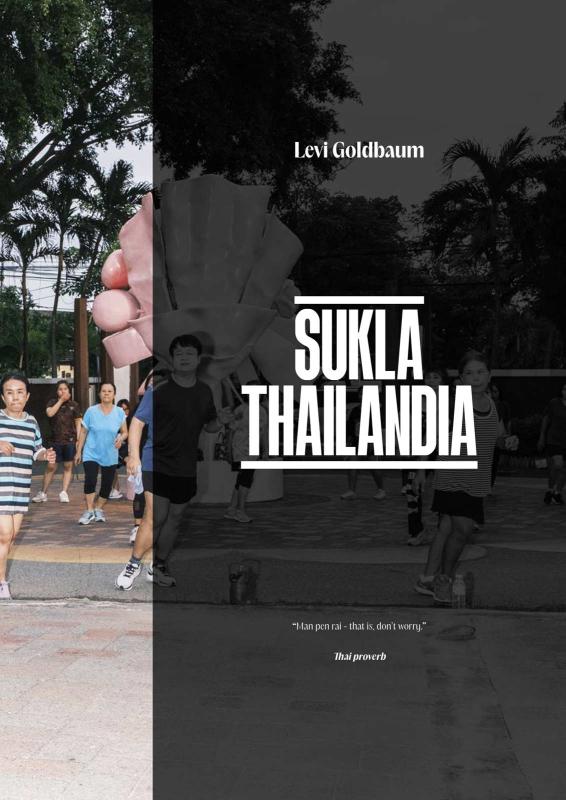
Sukla Thailandia by Levi Goldbaum
Man pen rai - that is, don't worry.
Thai proverb
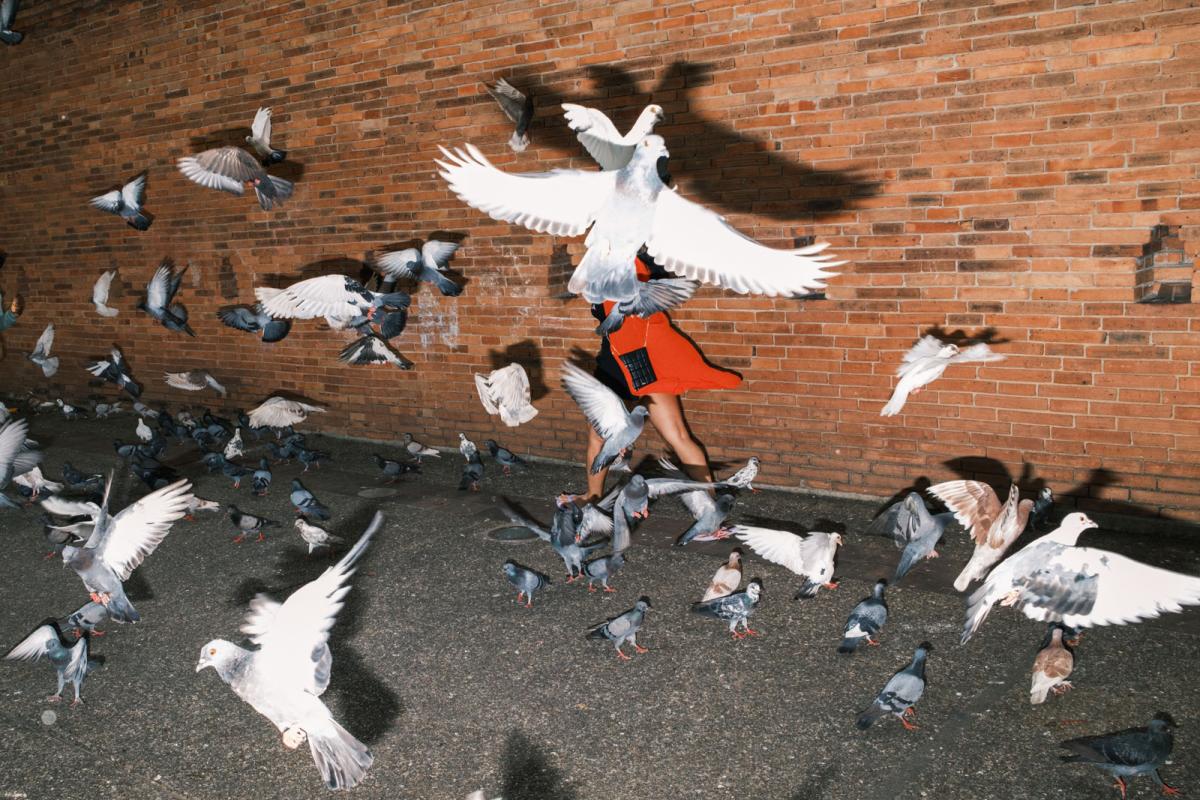
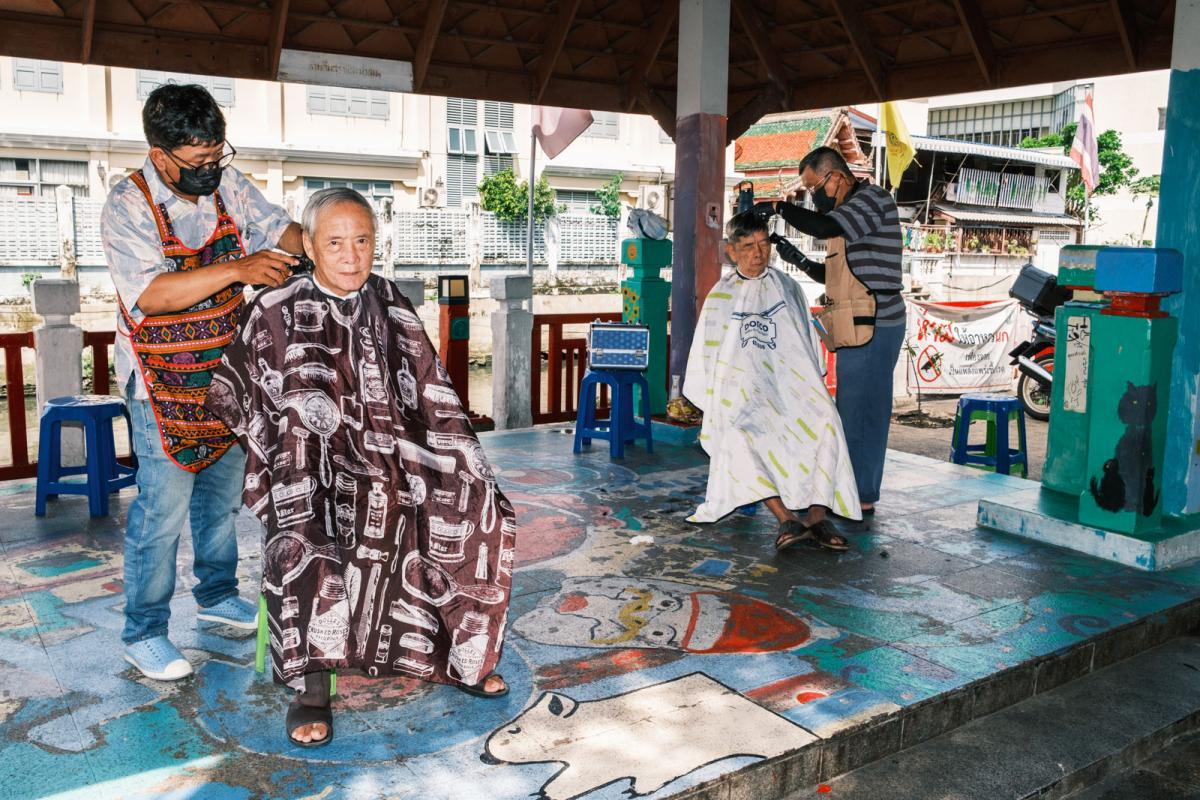
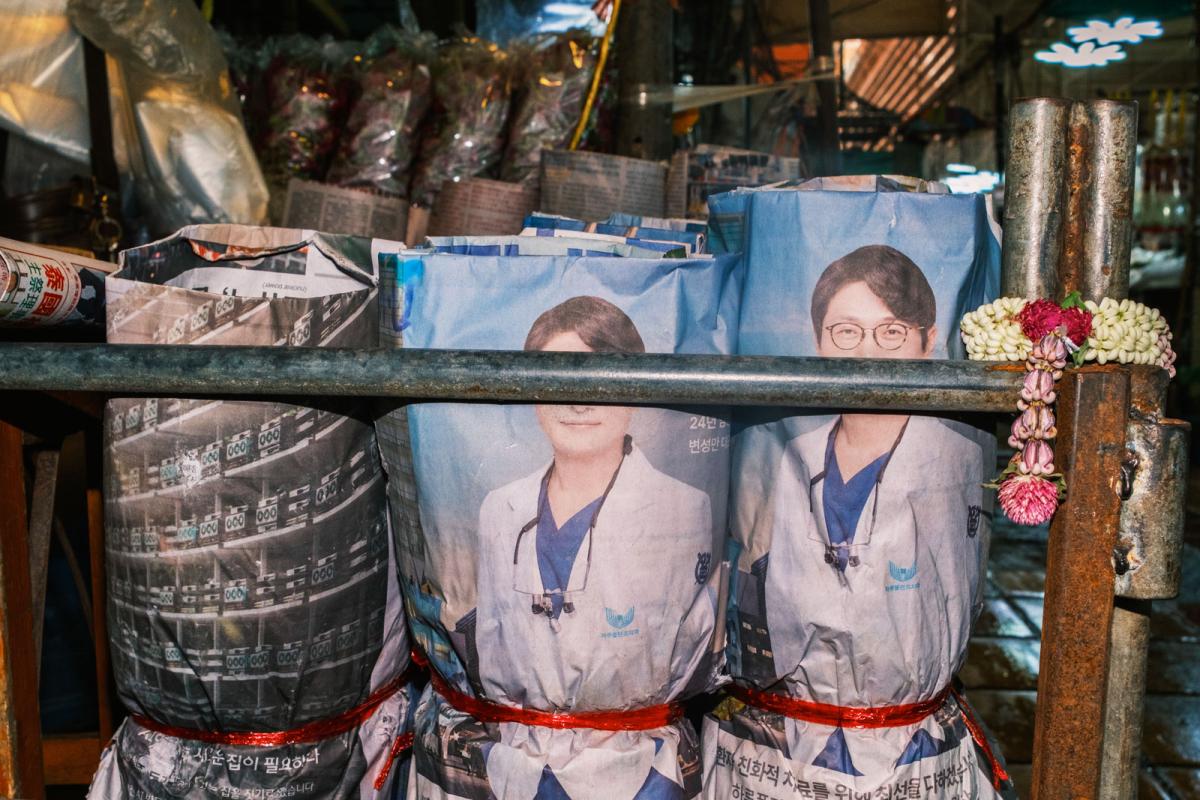
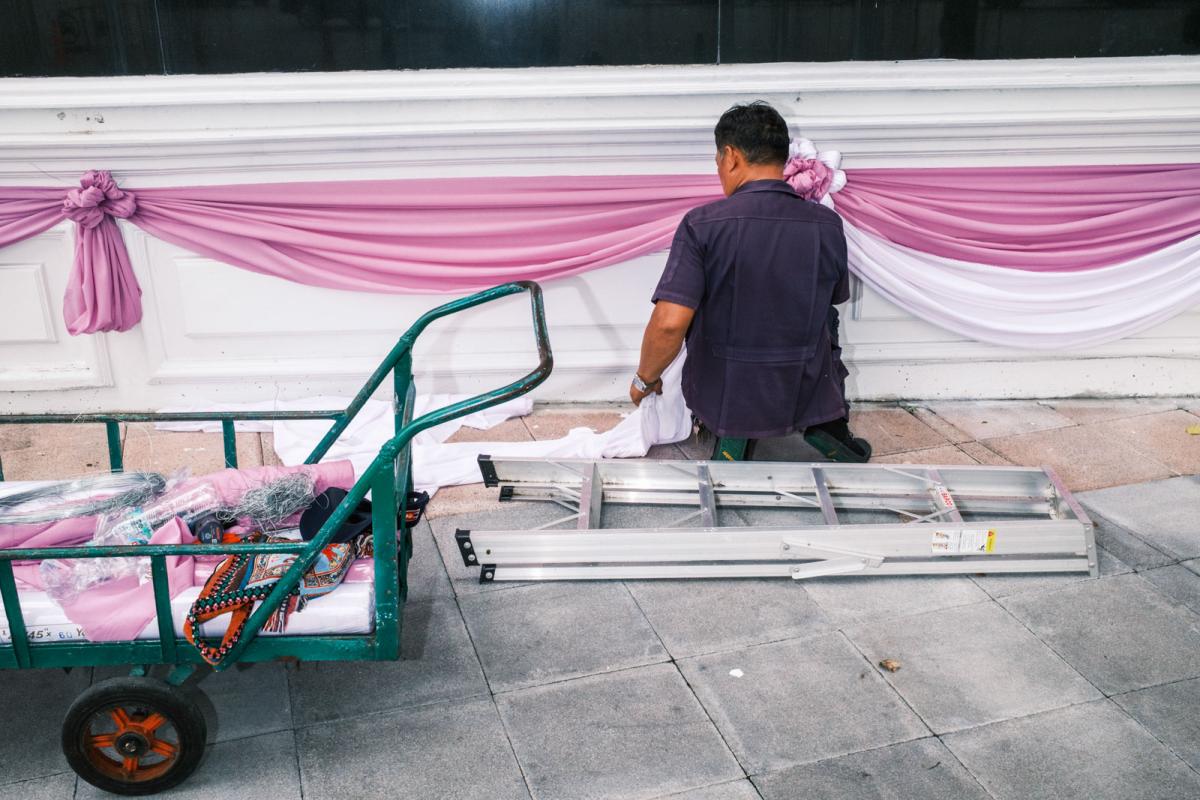
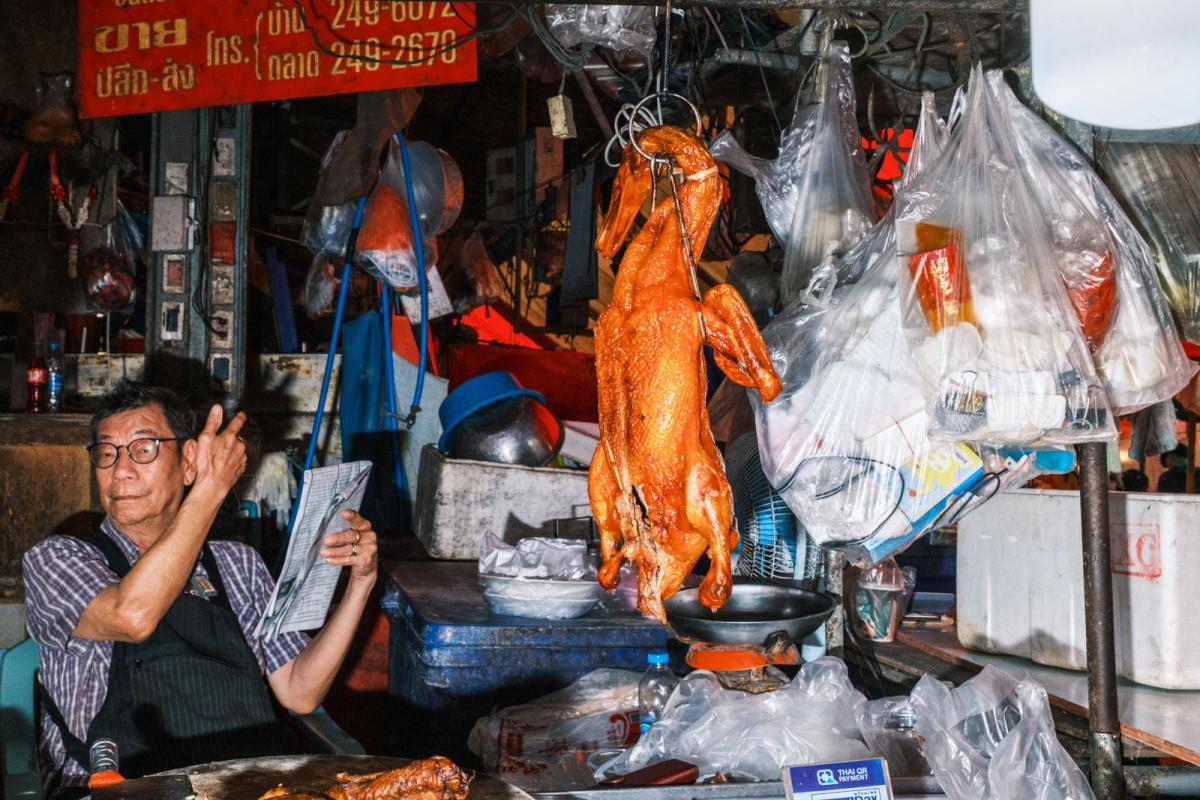
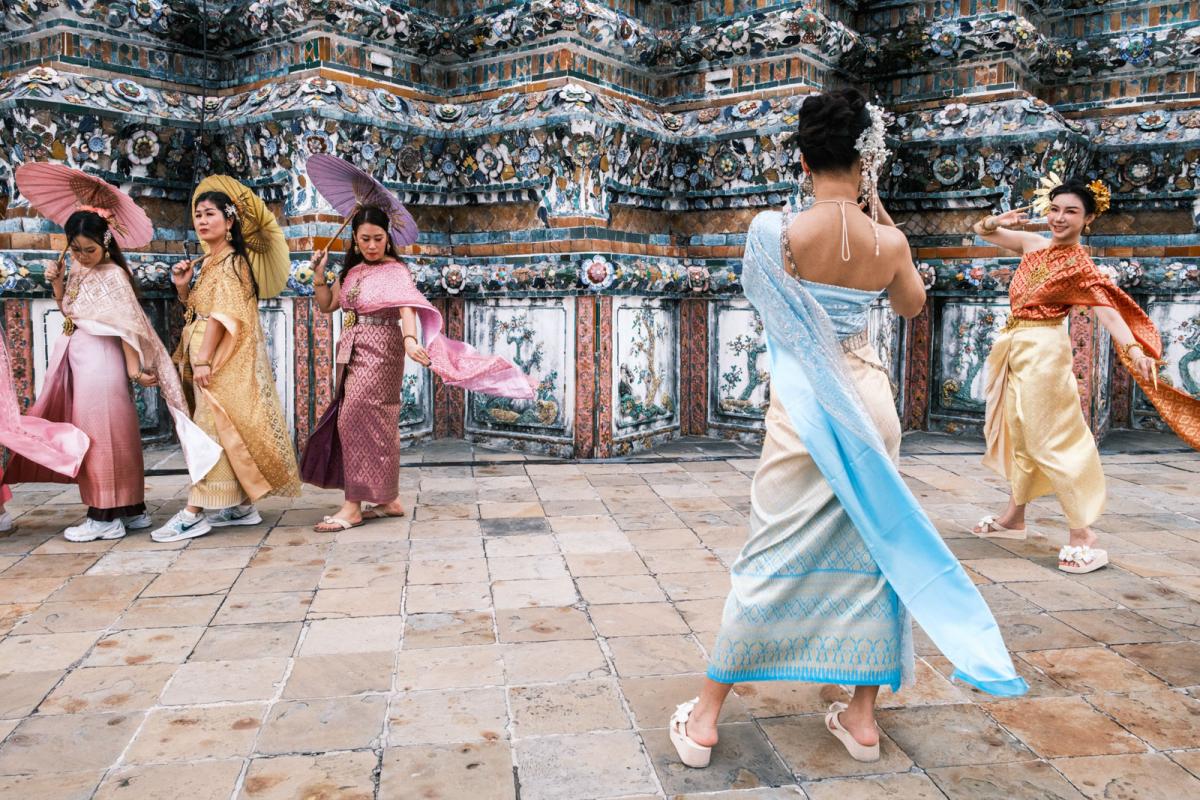
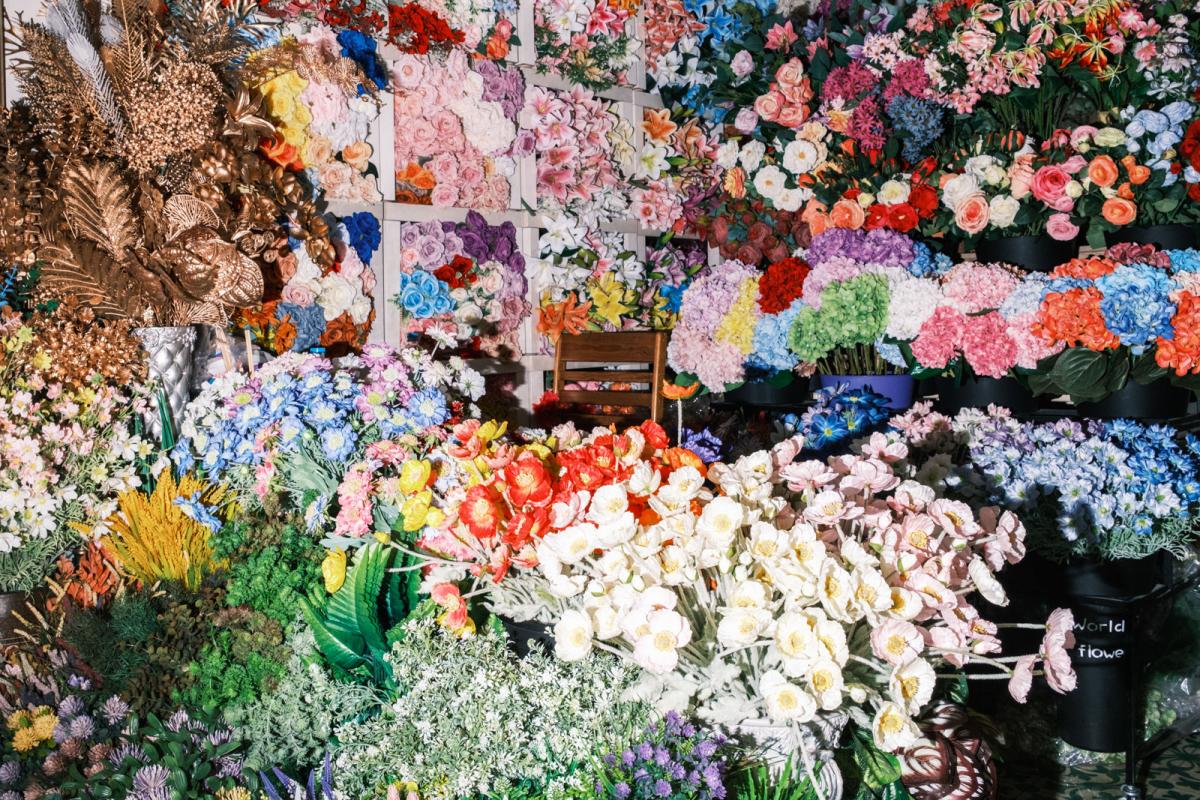
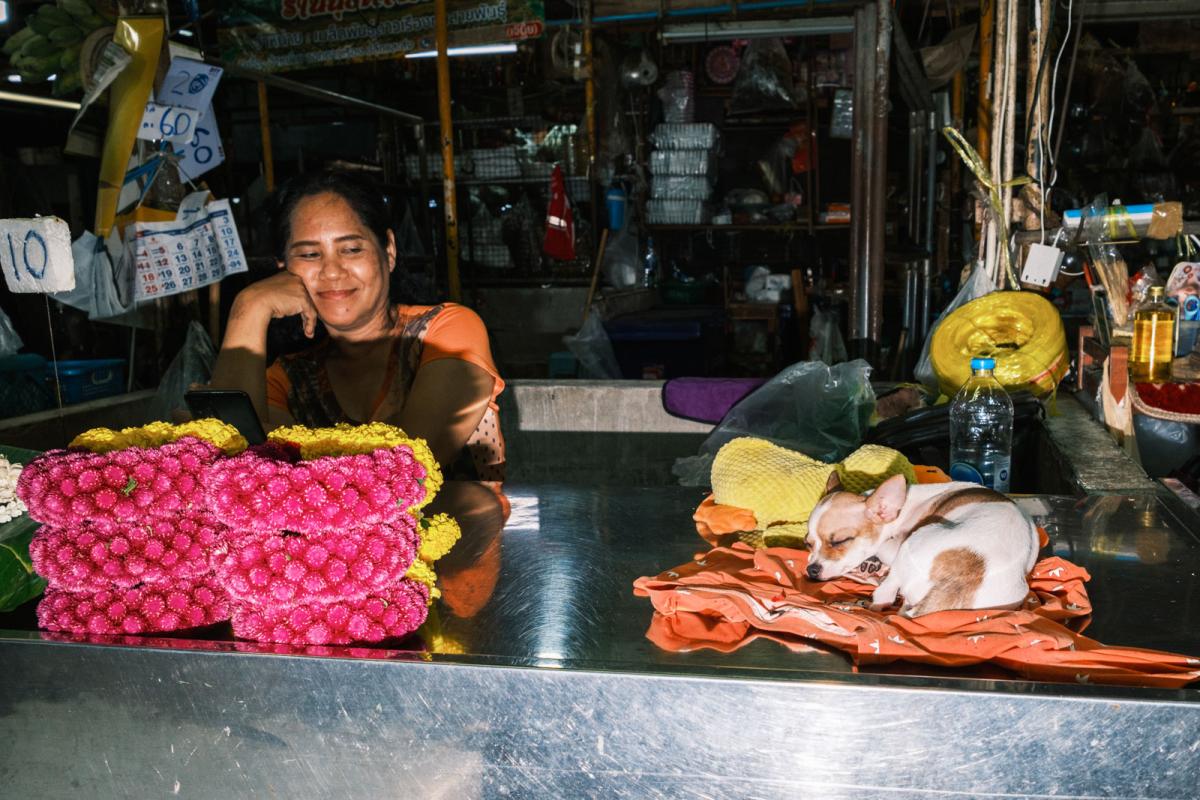
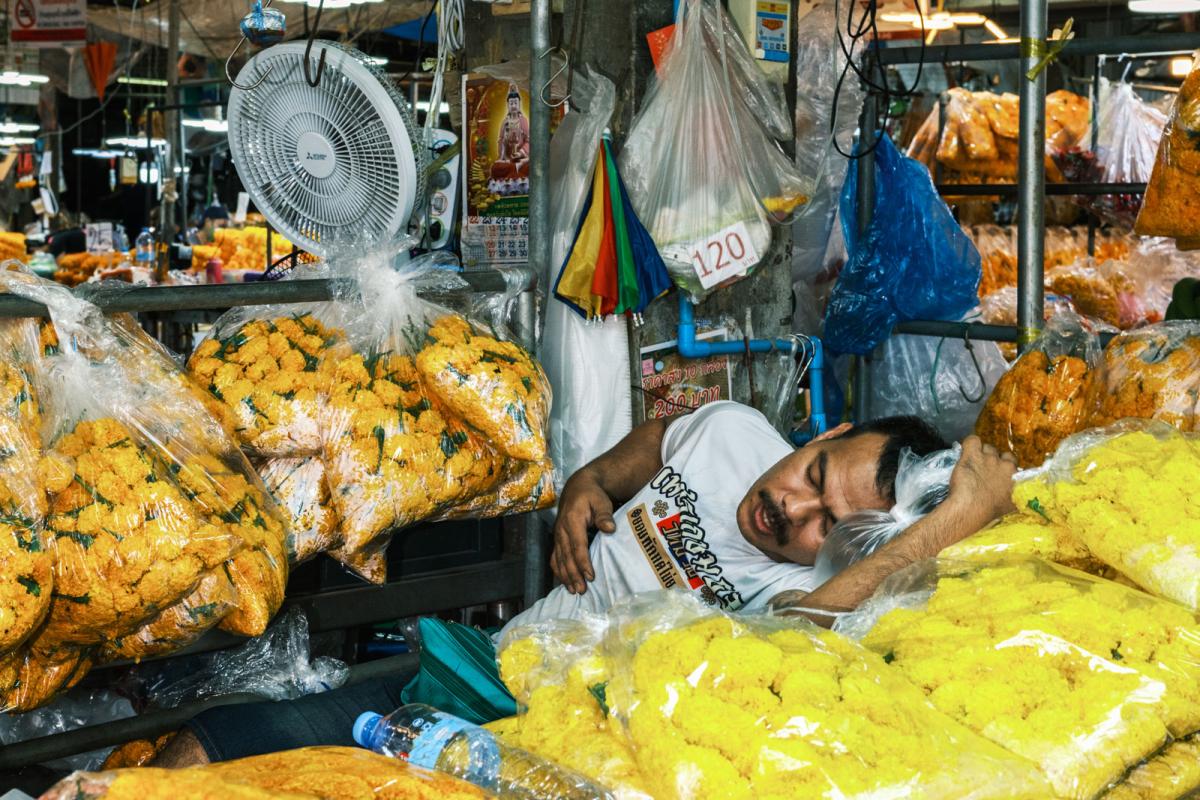
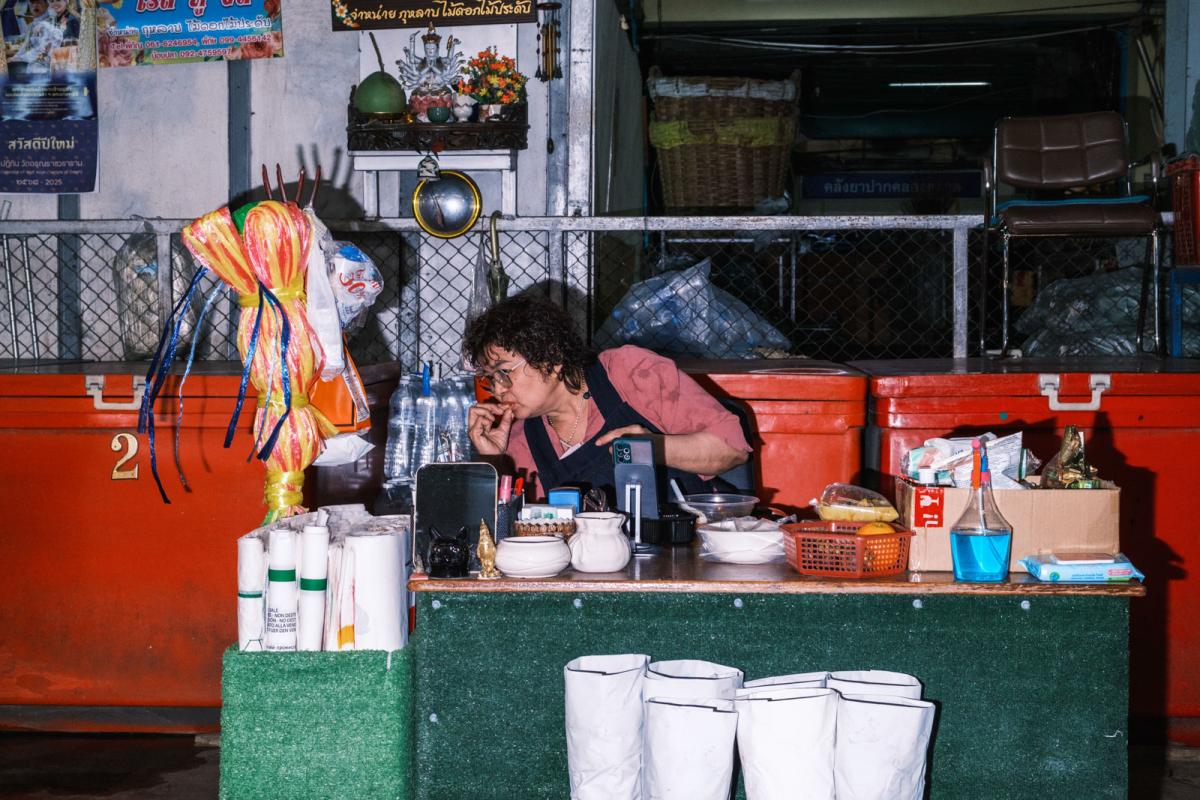
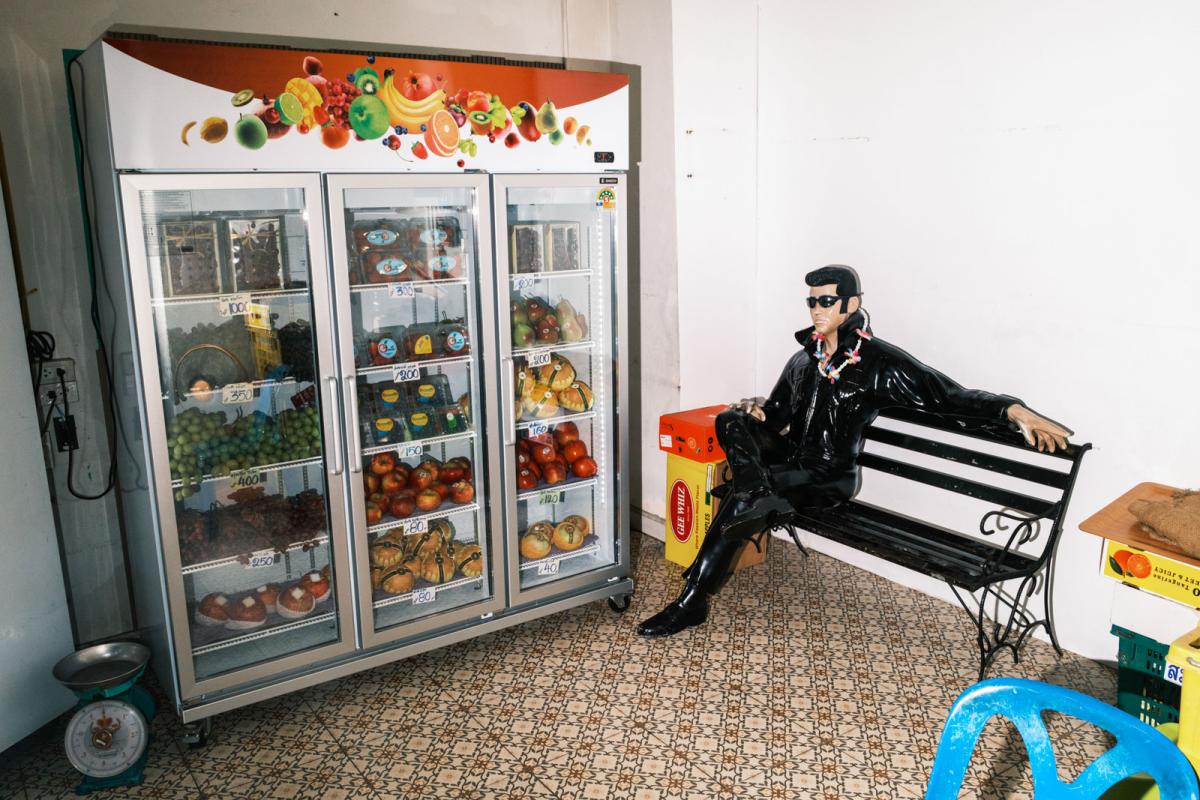
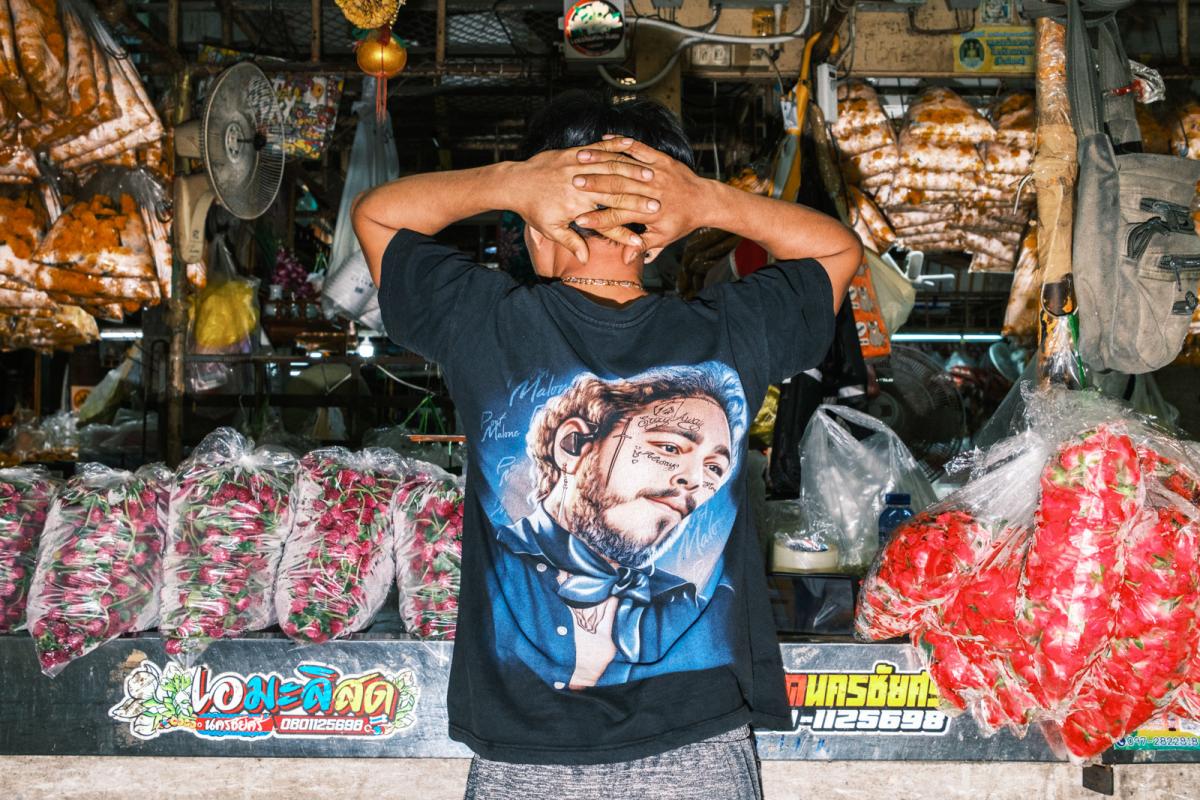
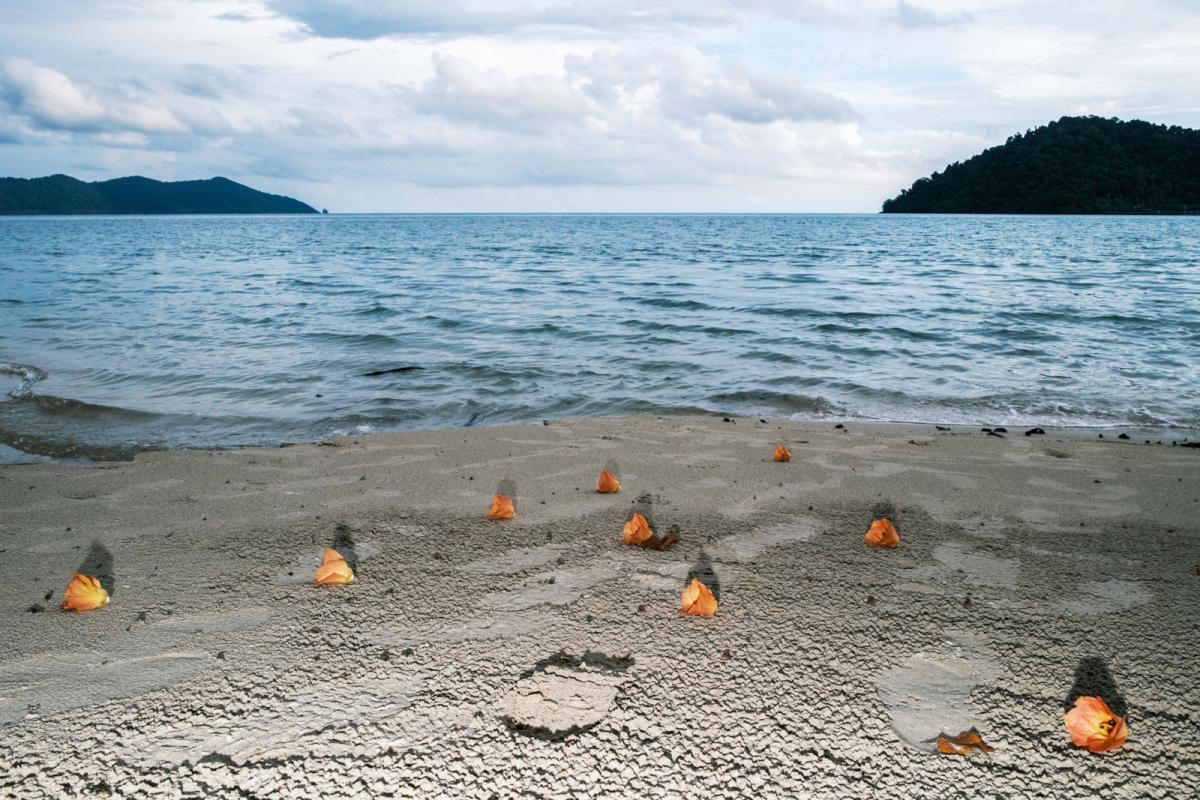
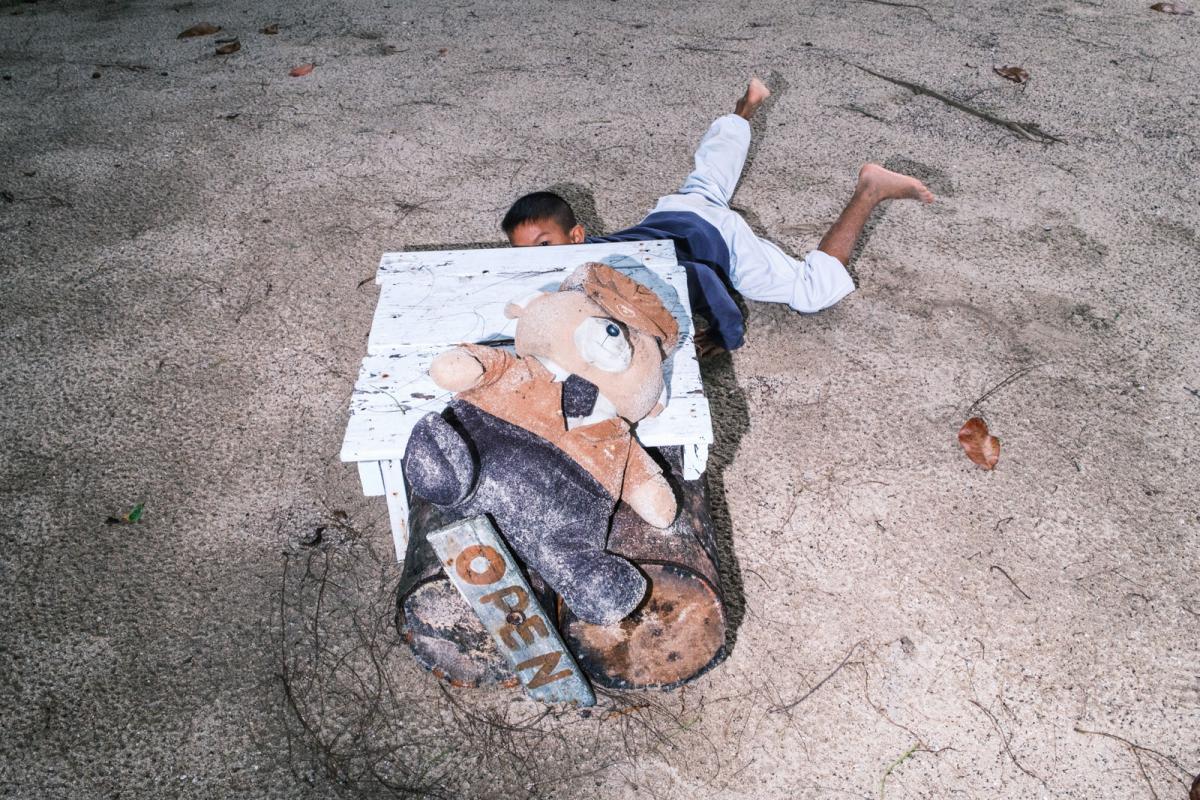
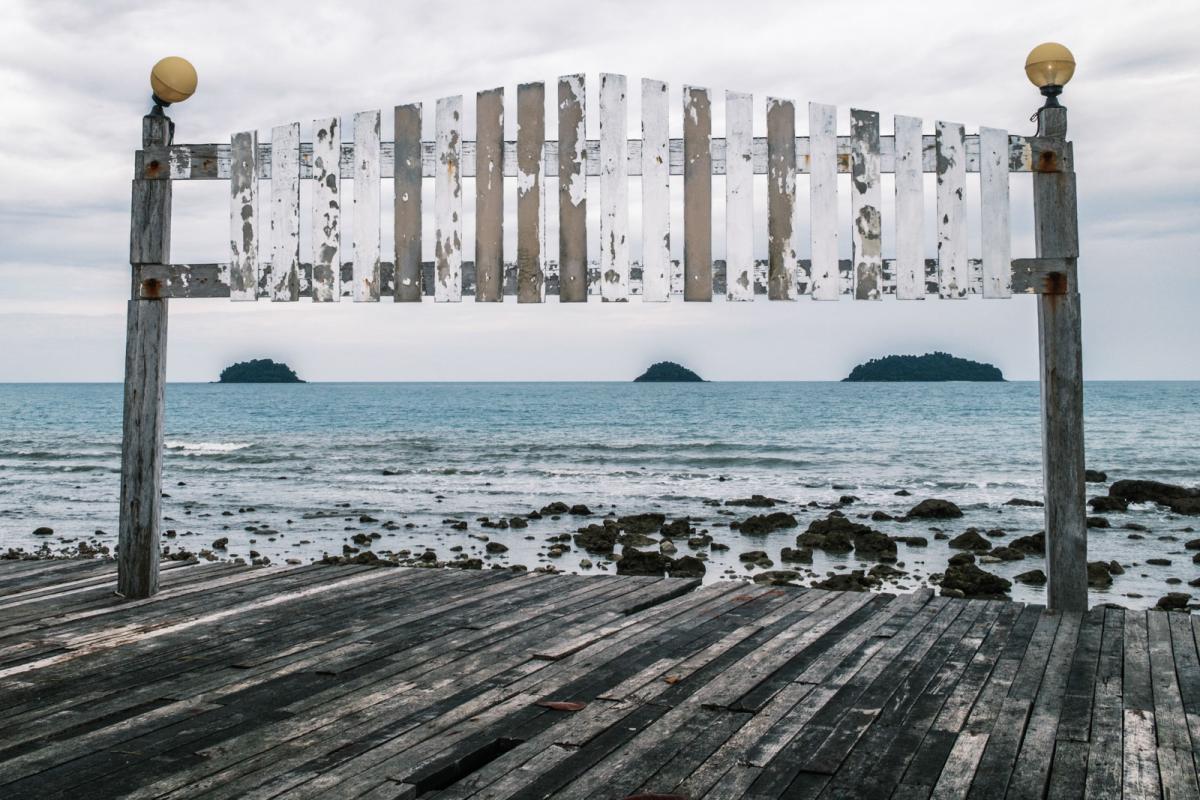
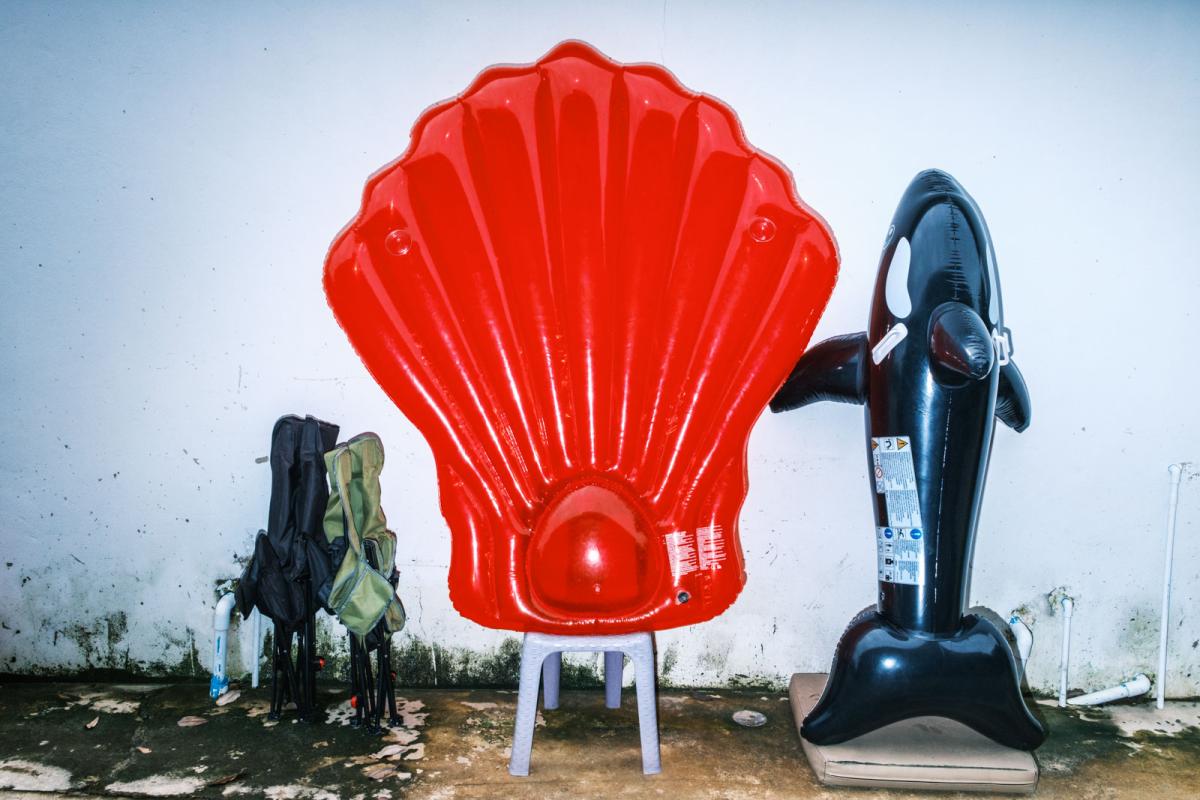
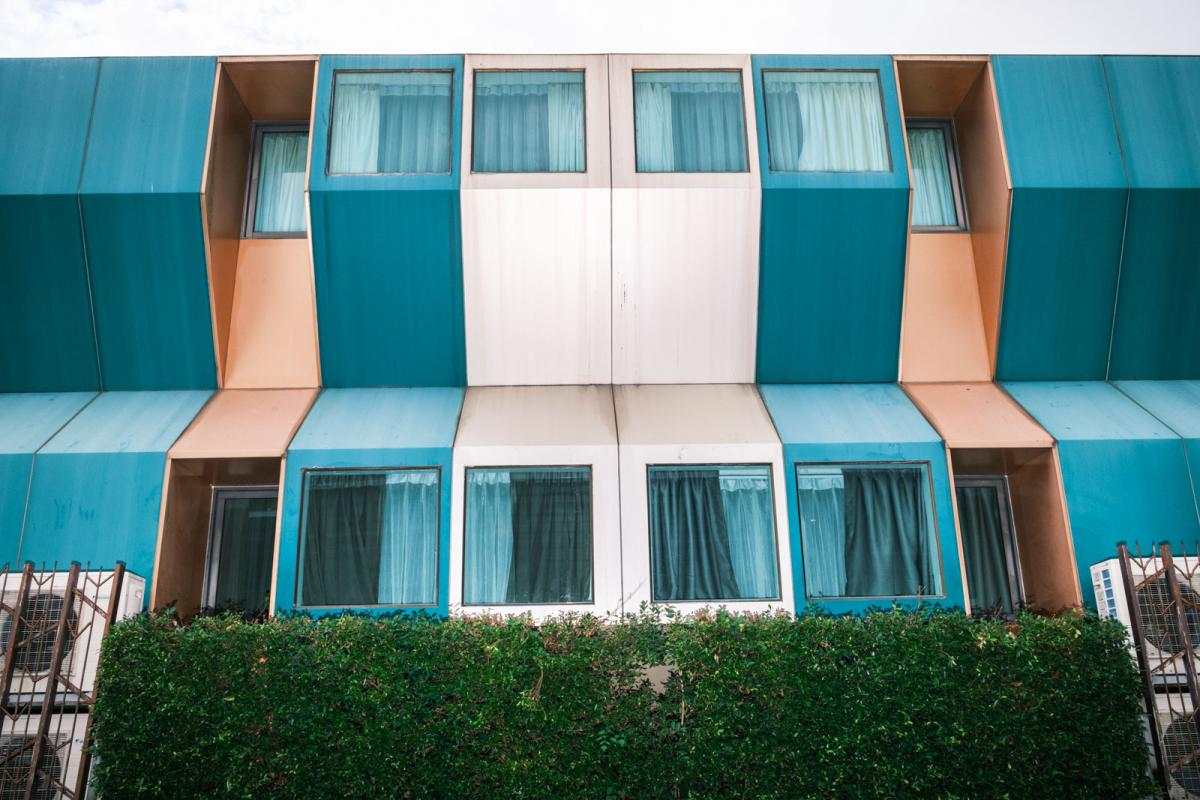
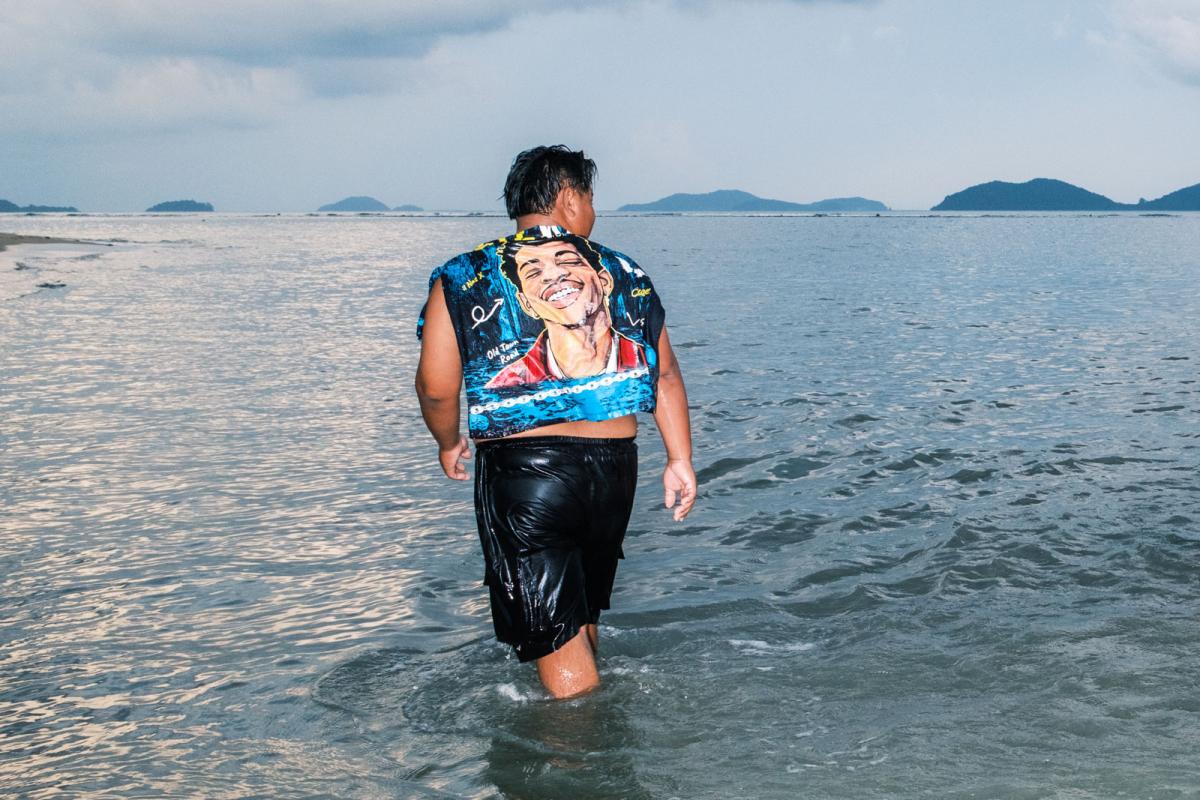
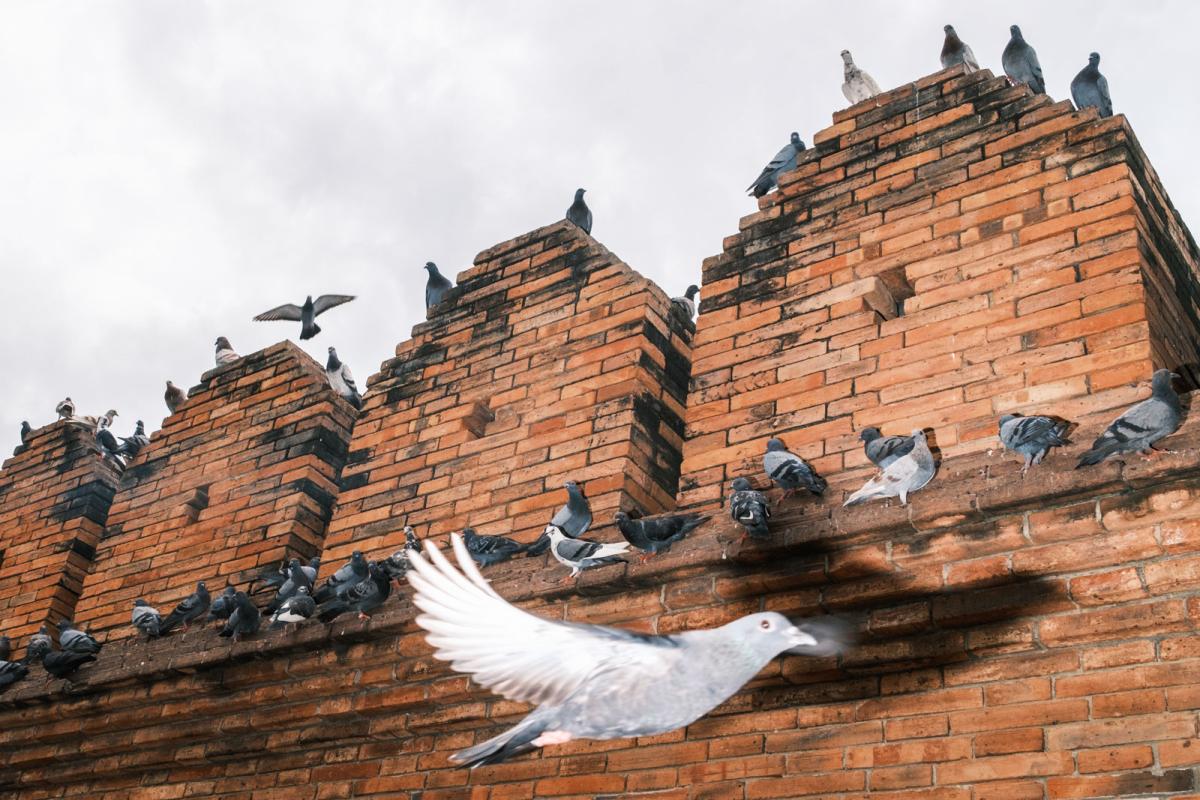
In Levi Goldbaum's photographic work, the journey quickly stops being a geographical story and becomes a mental condition. Sukla Thailand moves in an unstable dimension, made up of humidity, worn surfaces, artificial lights and sudden suspensions of time. The images do not seek the exotic or the urban spectacle: rather, they observe what remains on the margins of the scene, in the smallest details, in the anonymous architecture, in the unexpected pauses of everyday life.
"My first trip to Thailand dates back to 2014," says the author. Everything seemed new to me: the heat, the noise, the colors, the density of life in the streets." That first impact returns today as a transformed memory. Goldbaum's gaze has become slower, less descriptive, almost obsessed with the atmosphere of things rather than with their narrative function. Photography thus becomes a tool to navigate disorder without trying to solve it.
The entire project seems to be built around a continuous tension between overcrowding and emptiness. On the one hand, dense, almost suffocating images, where illuminated signs, bodies, goods and reflections are compressed into the same visual space; on the other, silent photographs, crossed by a sense of absence that makes the landscape ambiguous and unreal. "Sometimes there was no one there, just the heat, the architecture and the strange details that emerge when a place slows down." It is precisely this rarefaction that defines the strongest core of the work.
Goldbaum builds a street photography that approaches an emotional perception of space. His images seem to hold back something that is about to happen or that has just disappeared. Even when the human presence emerges, it always remains partial, peripheral, as if dissolved within the climate and urban matter.
Sukla Thailand is therefore an archive of emotional temperatures even before a visual diary. A work that transforms heat, noise and suspension into narrative elements, allowing an invisible city made up of contemporary expectations, anomalies and silences to emerge.
Sonia Pampuri