

CECK THE COLOFON OF CITIES 16 AT DEDICATED PAGE
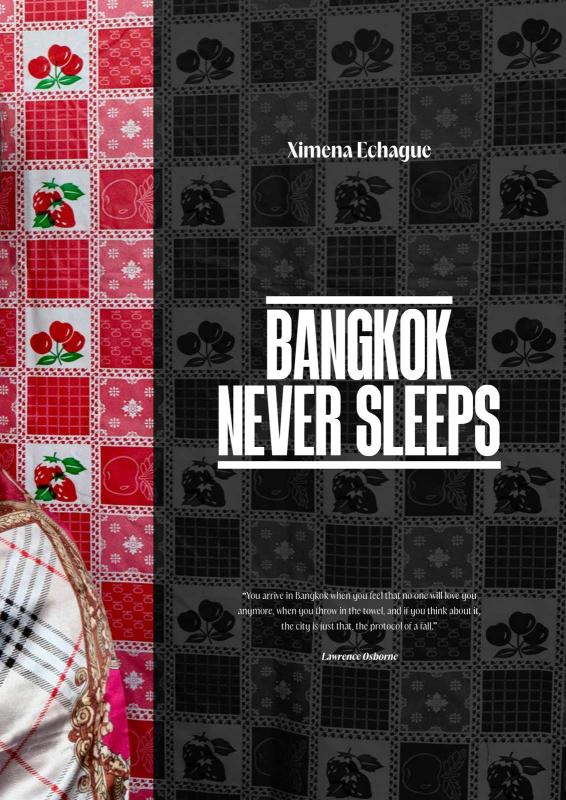
Bangkok Never Sleeps By Ximena Echague
You arrive in Bangkok when you feel that no one will love you anymore, when you throw in the towel, and if you think about it, the city is just that, the protocol of a fall.
Lawrence Osborne
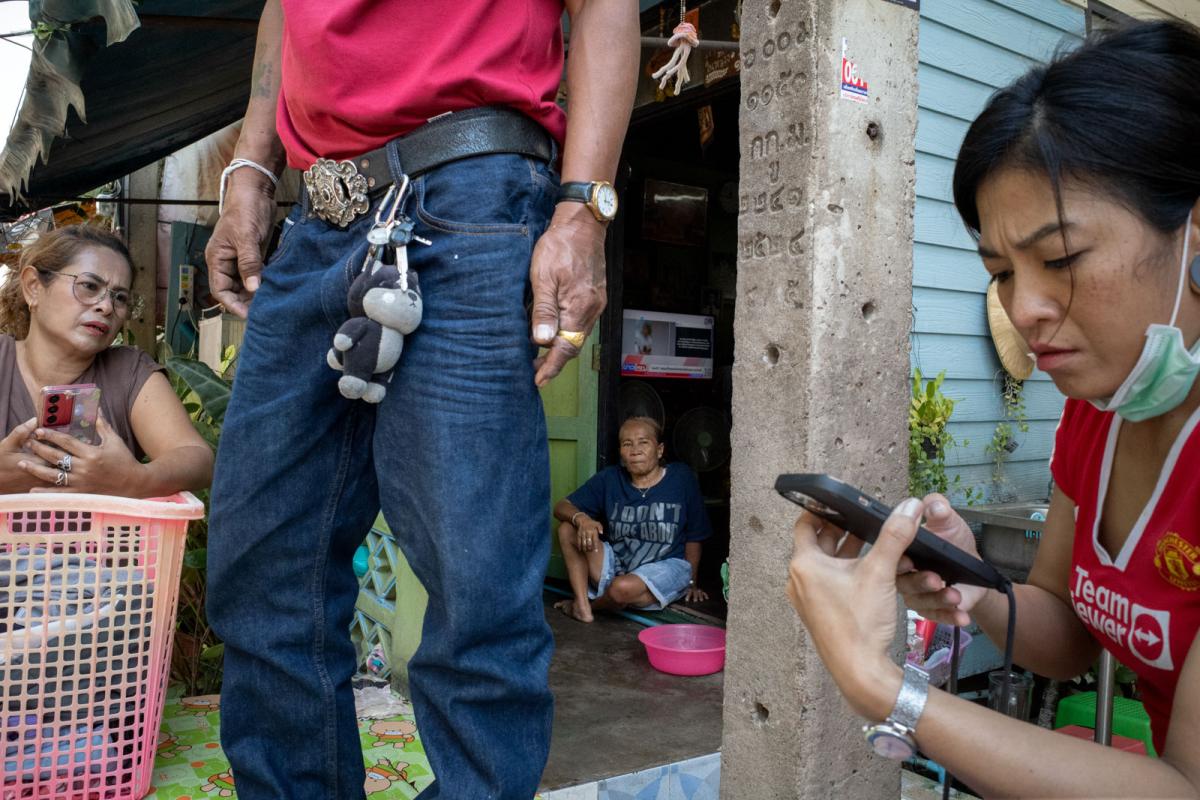
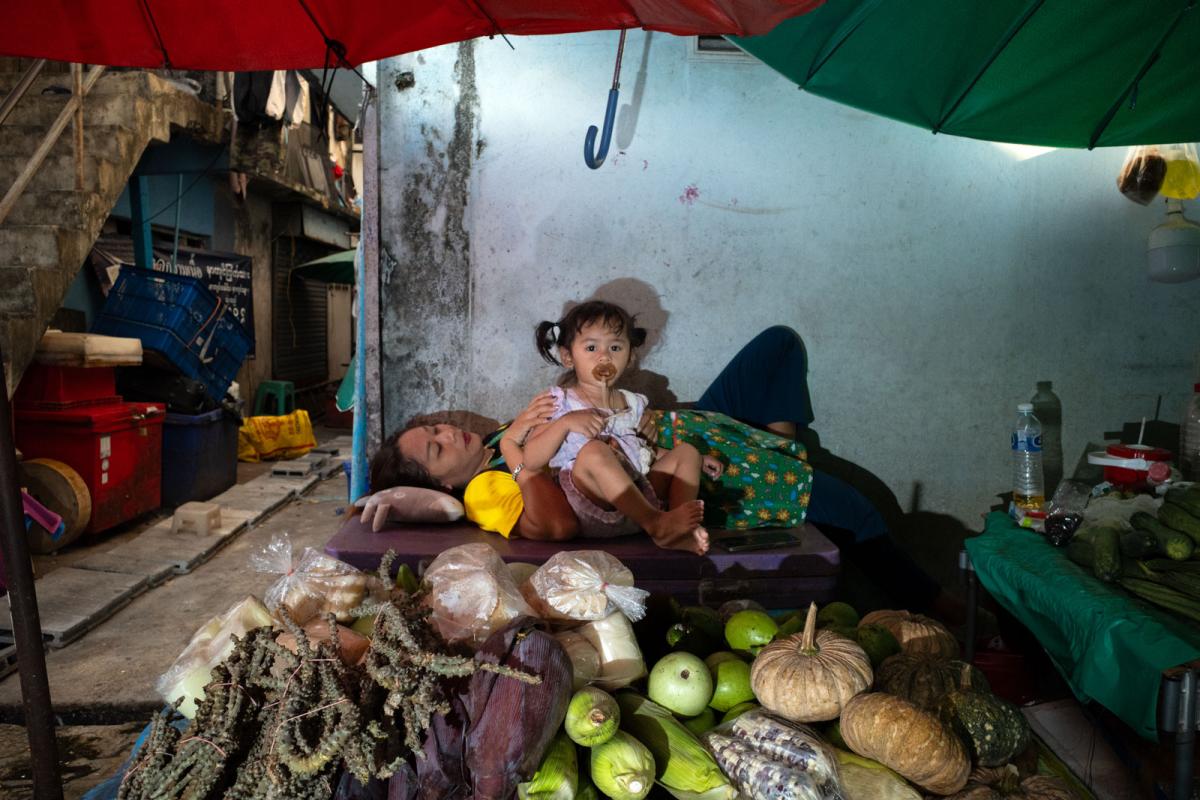
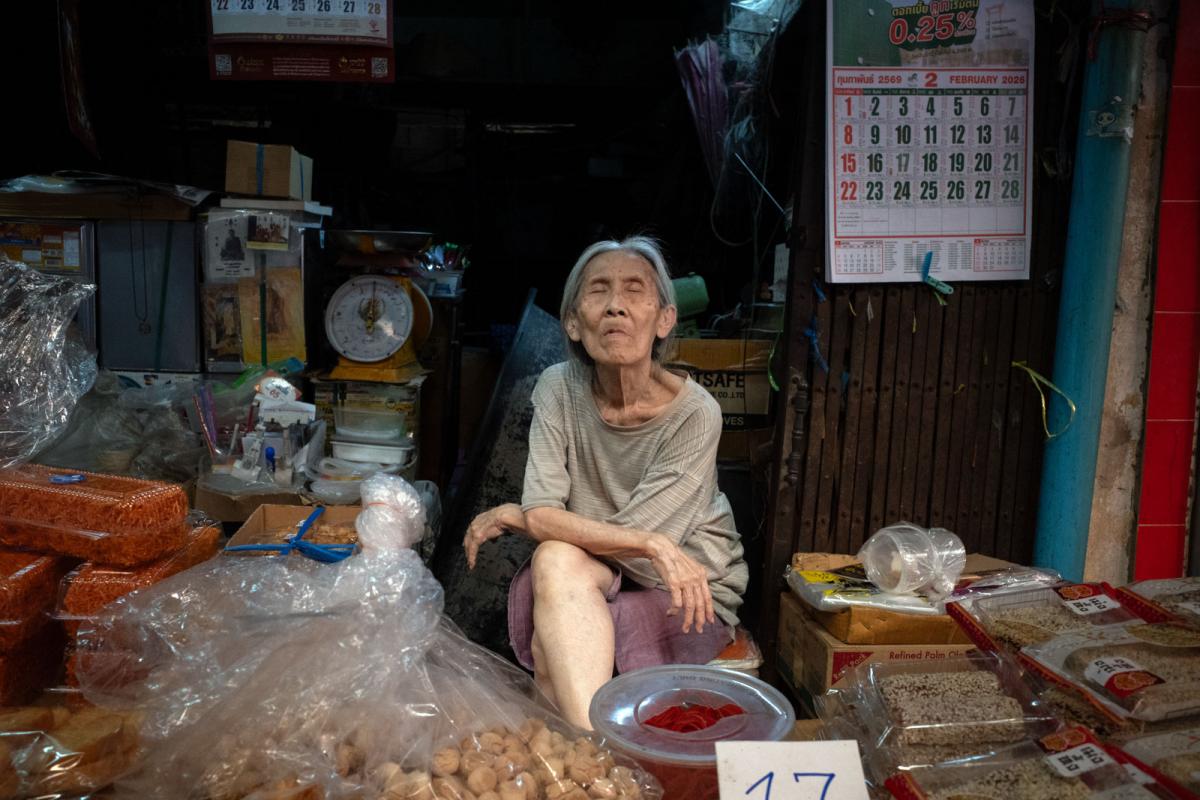
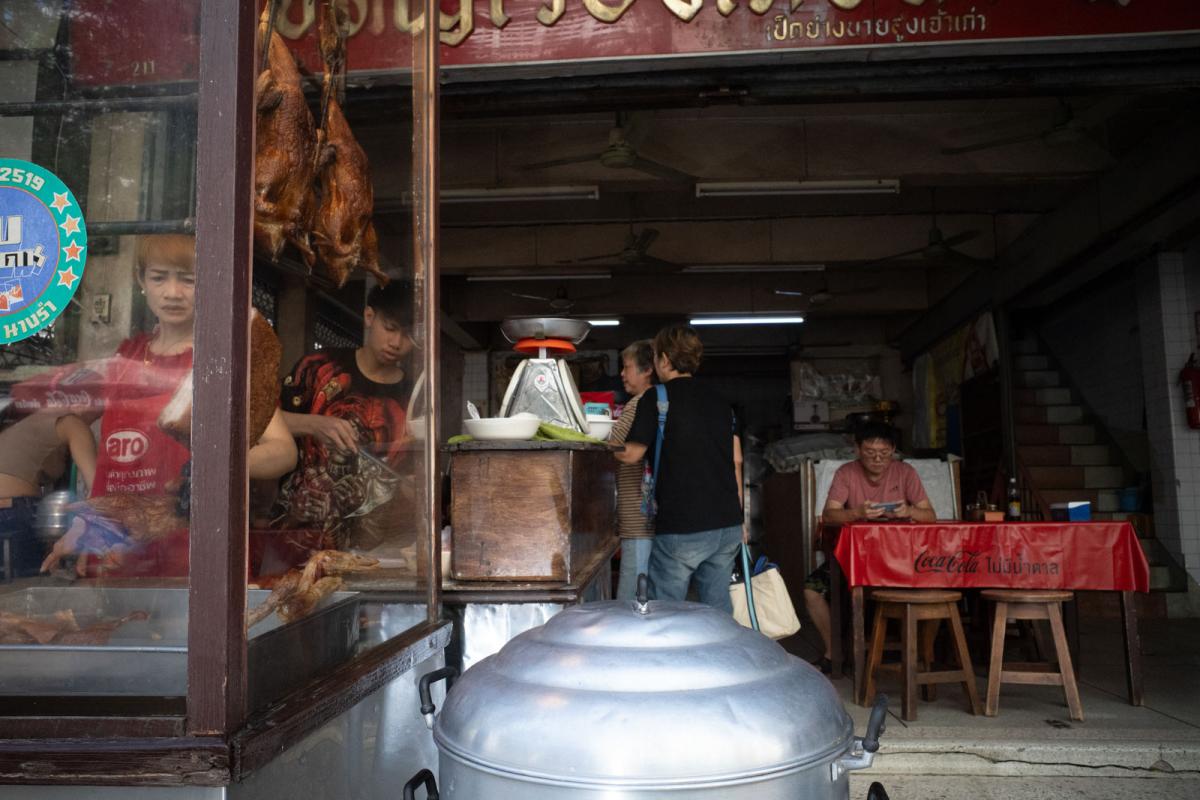
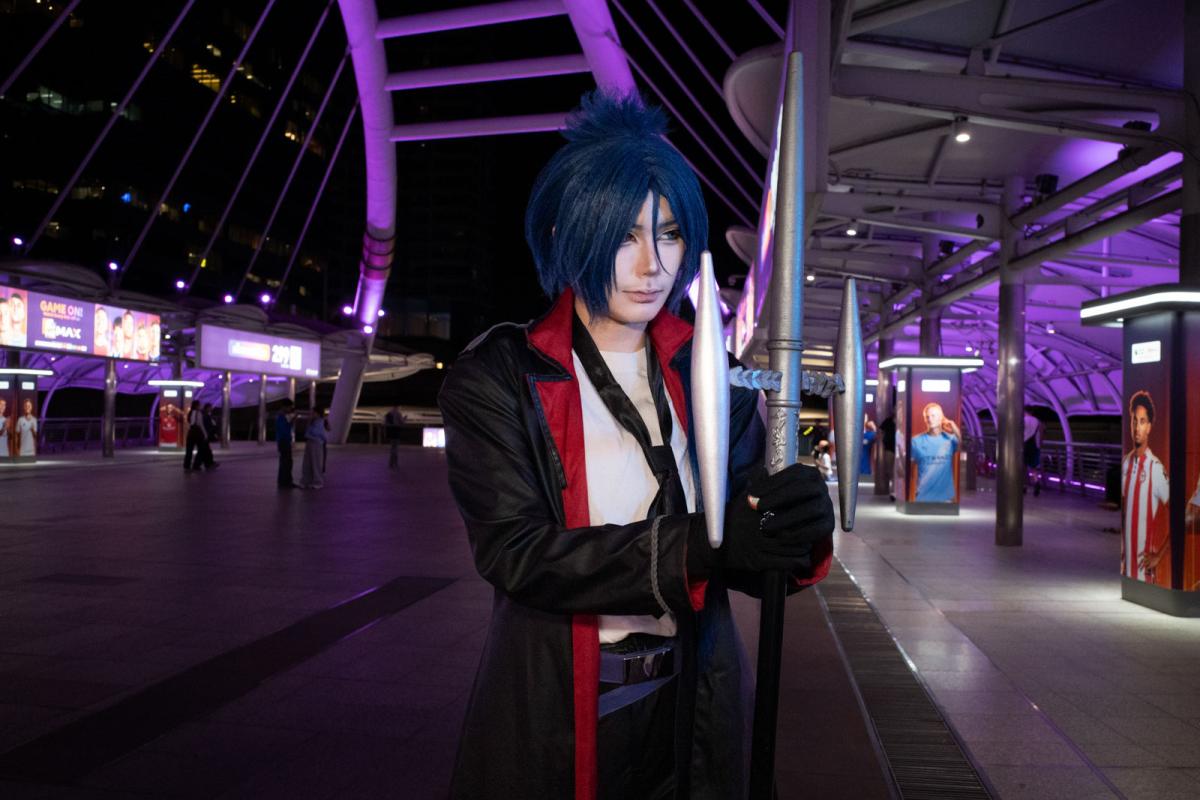
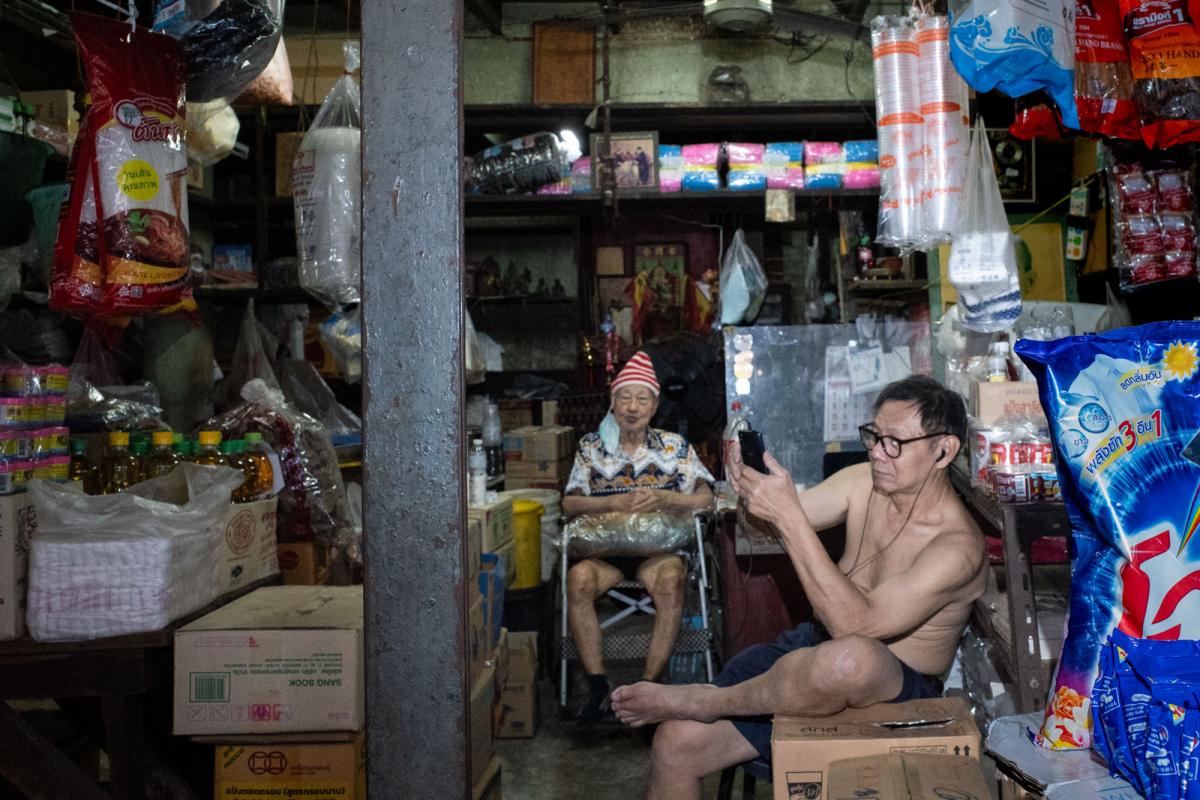
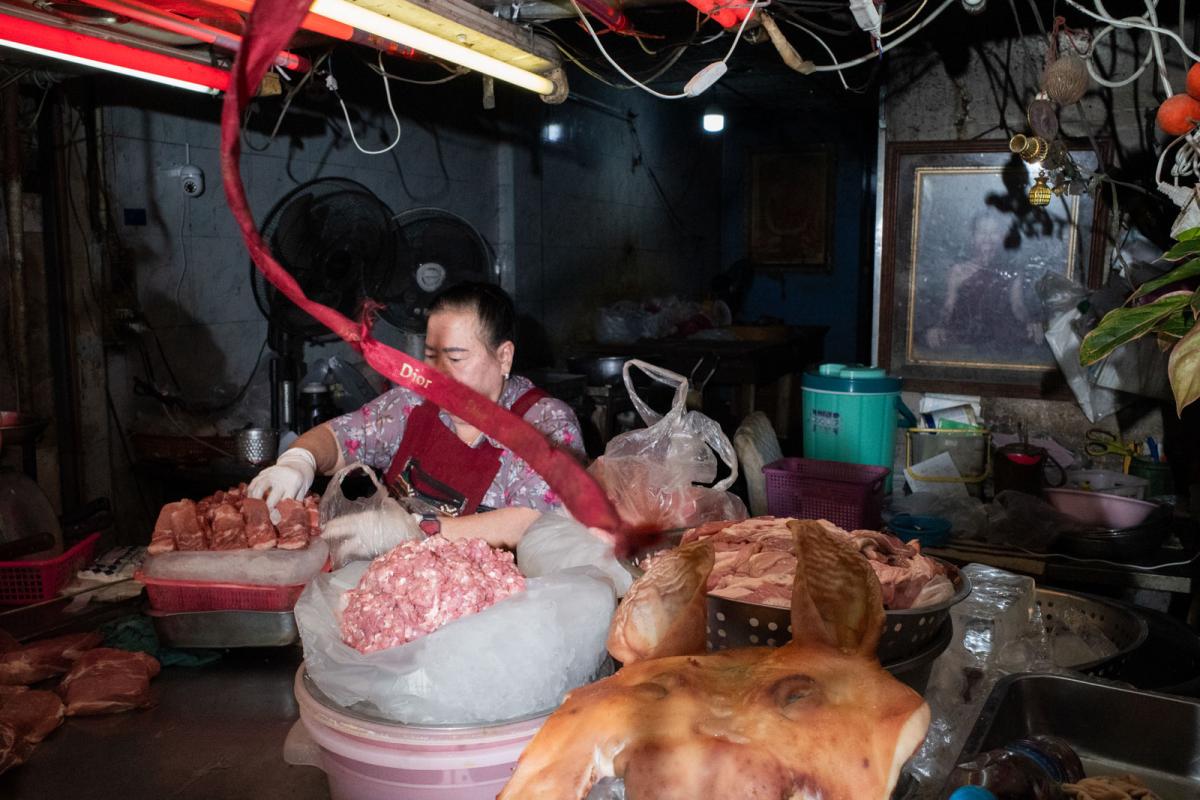
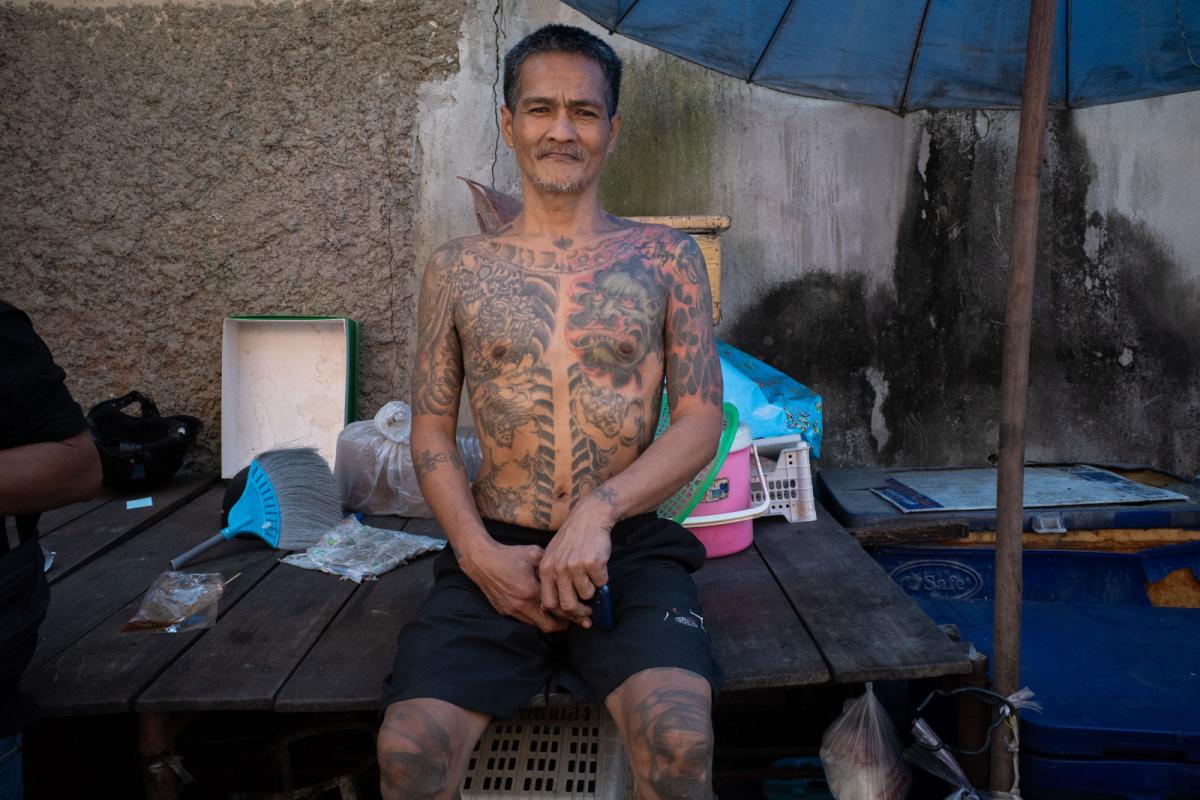
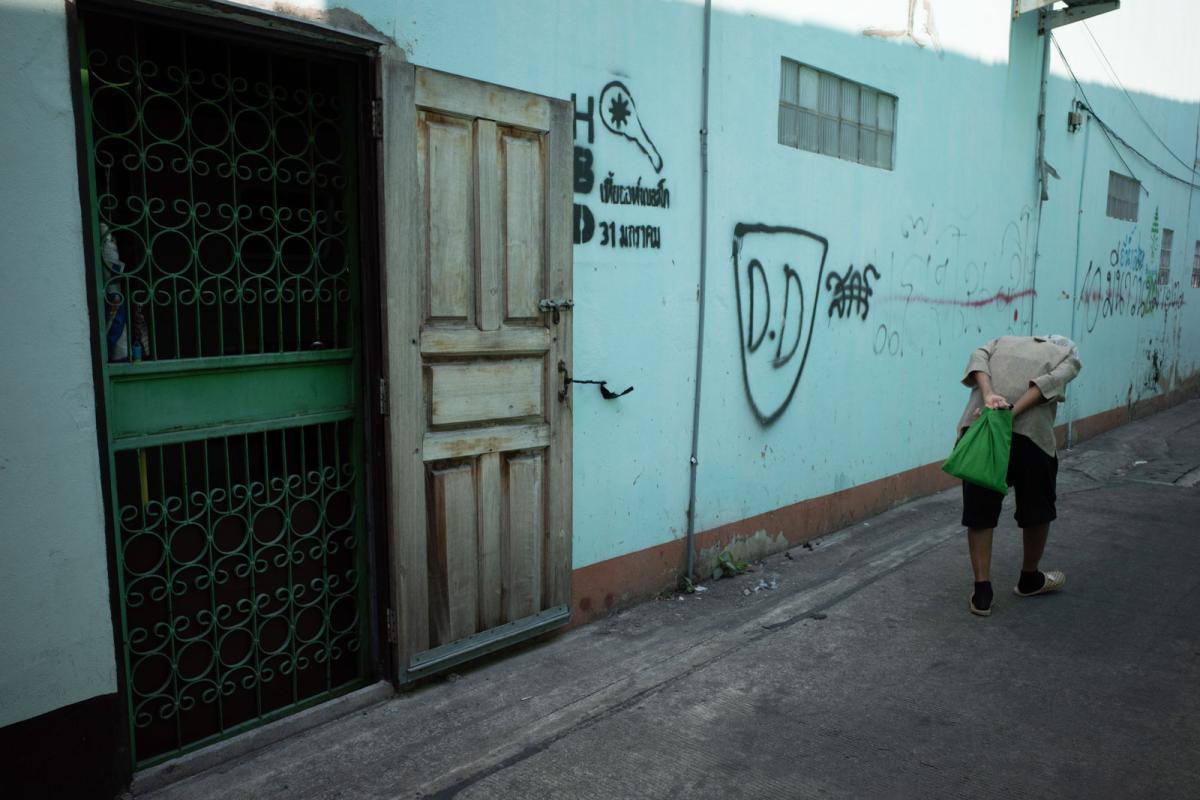
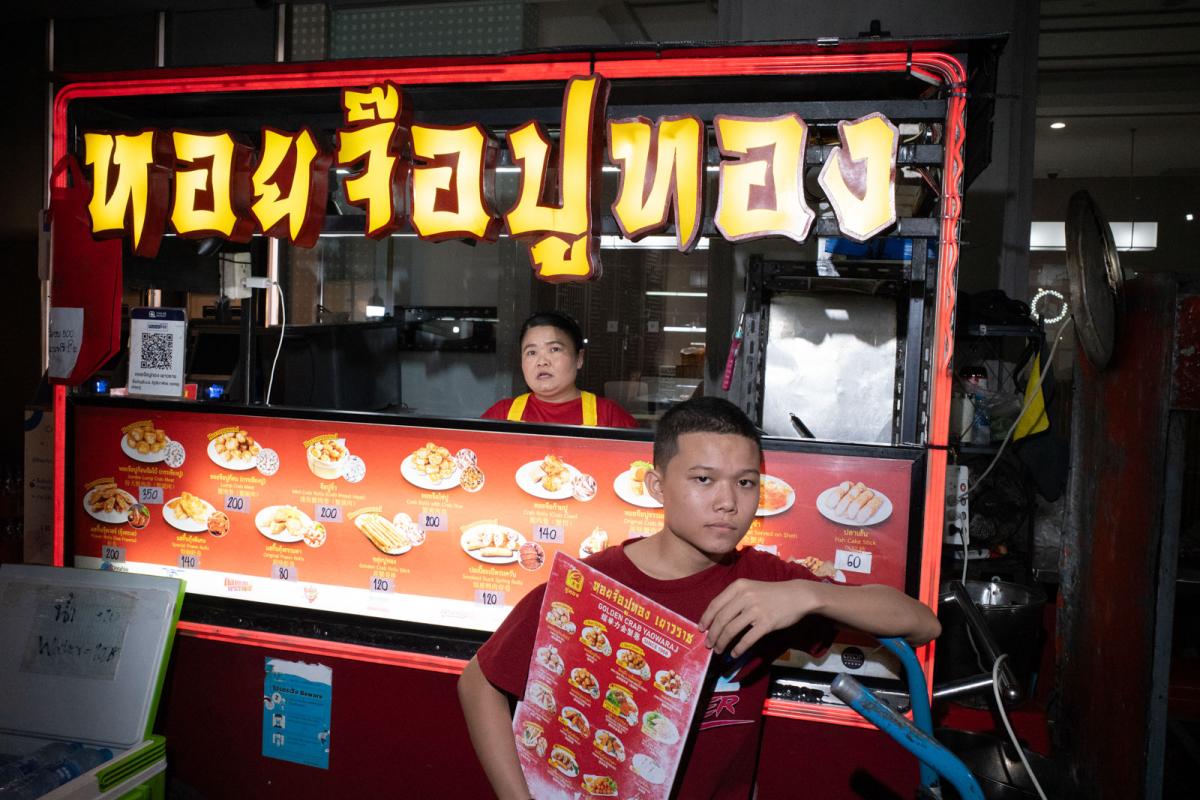
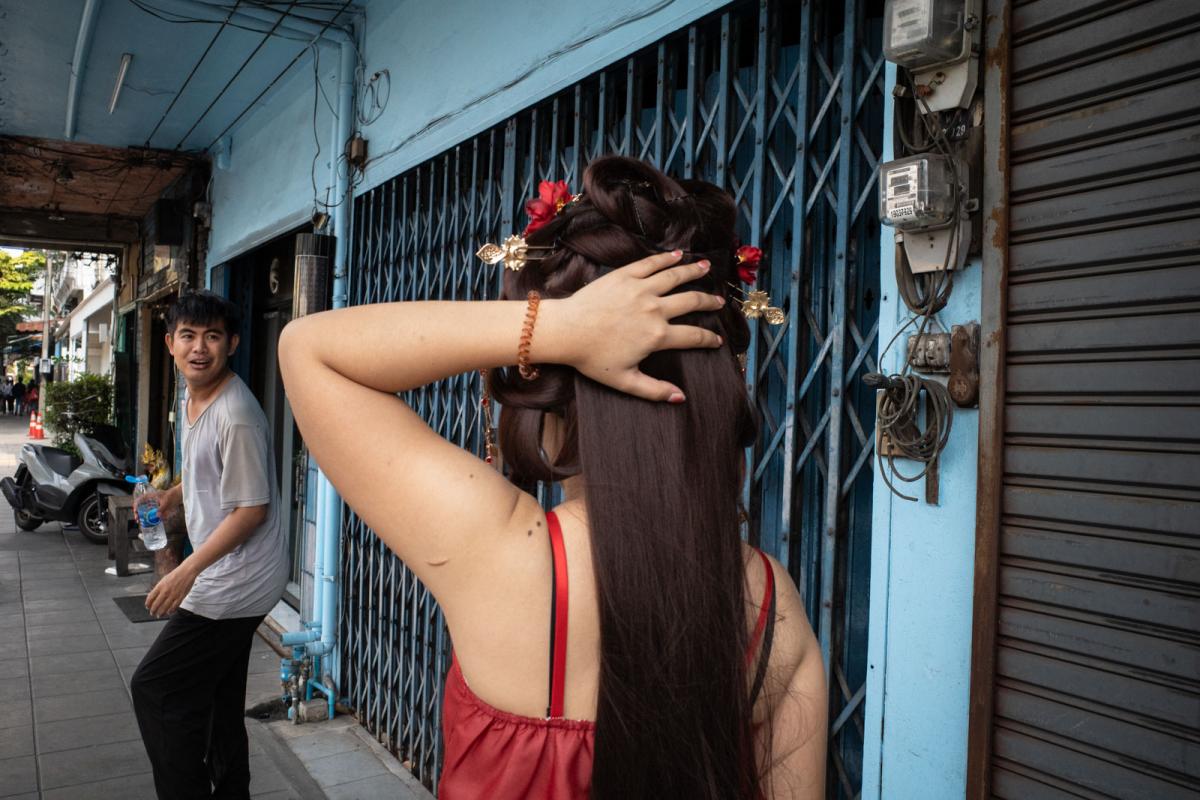
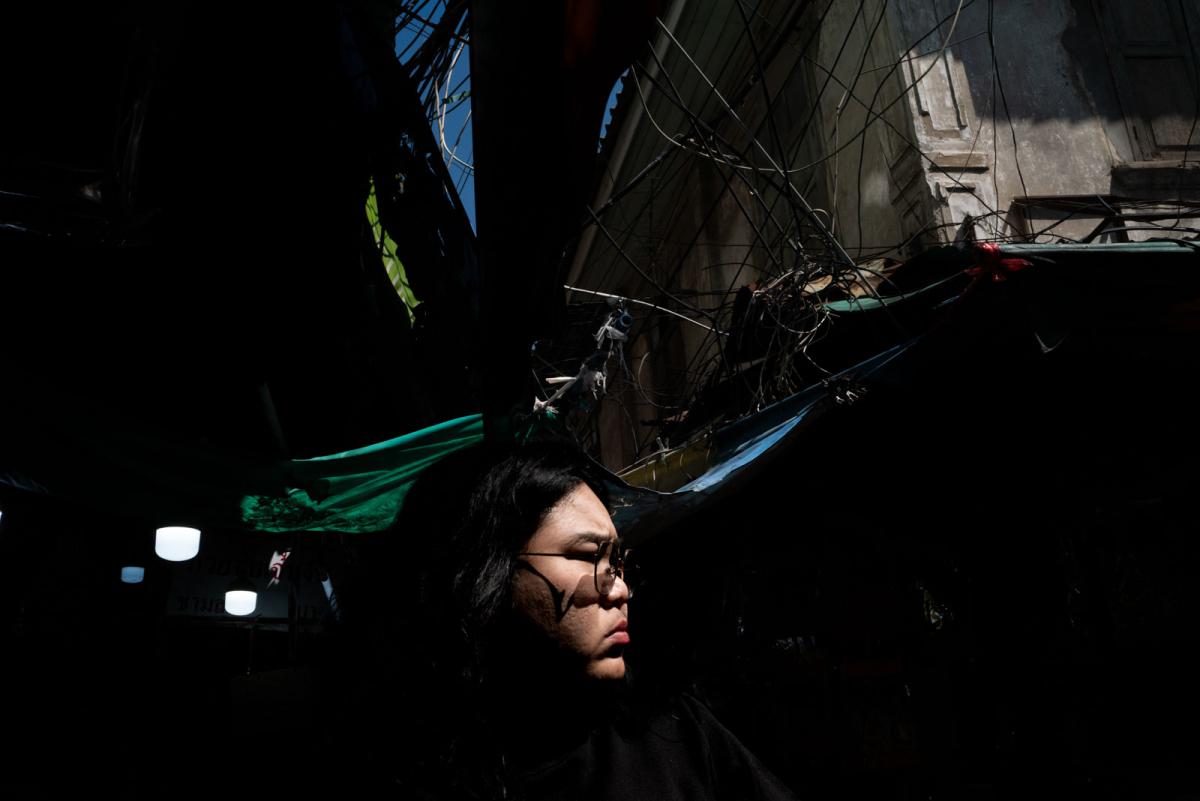
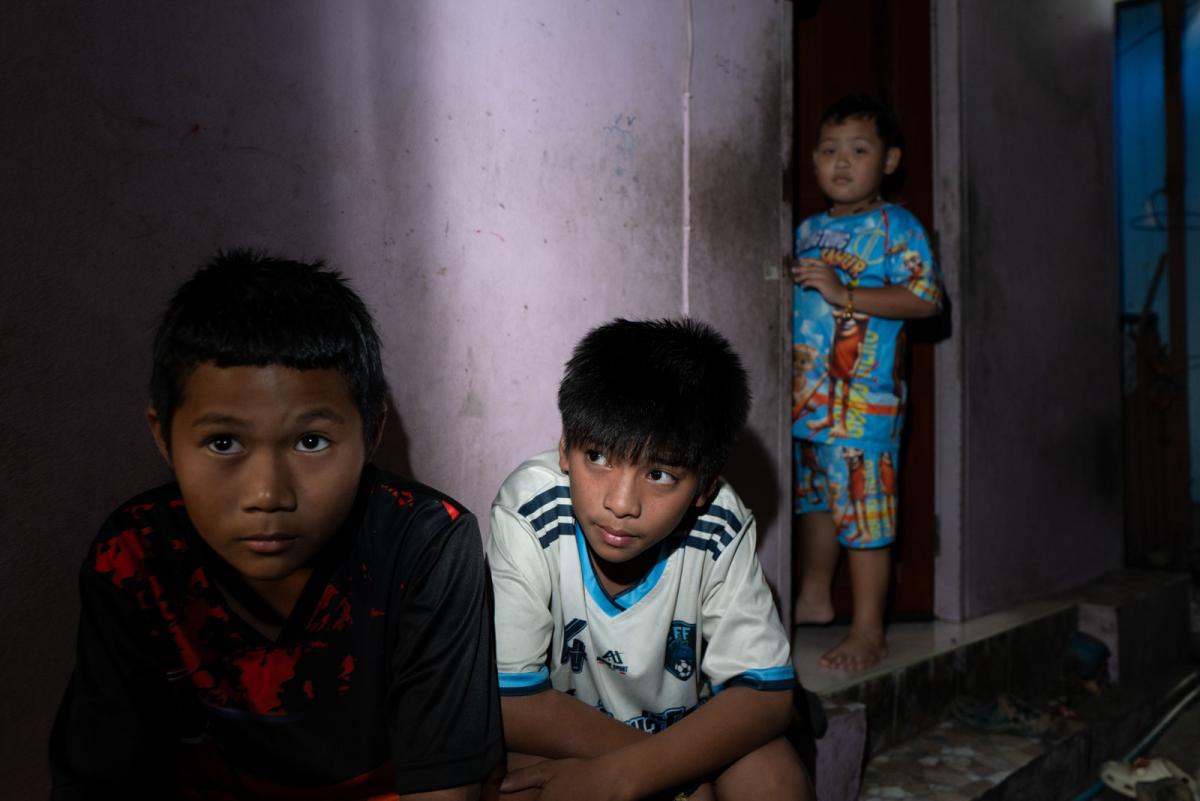
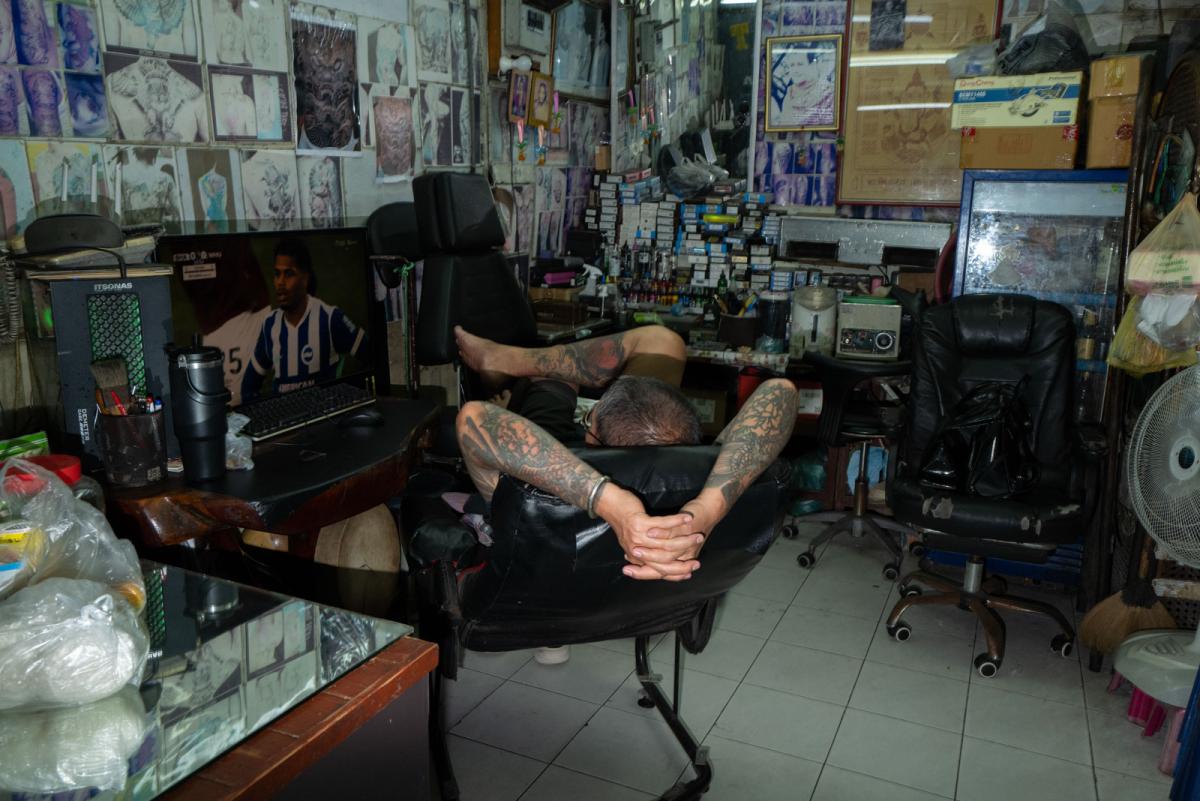
In Ximena Echague's photographs, Bangkok is not just a city: it is a living, pulsating, almost liquid matter, which overwhelms the viewer within a continuous flow of bodies, colors, signs, gestures and cultural stratifications. The strength of this work lies in the author's ability to transform urban chaos into a coherent visual language, while keeping intact that dimension of surprise and instability that belongs to the best contemporary street photography. Echague describes Bangkok as a city where "bustling markets, unexpected encounters, and a constant sense of movement pull you into a whirlwind of color and energy." It is precisely this vortex that is the emotional center of the series. The shots seem to be built within the very movement of the metropolis: nothing appears static, definitive or perfectly ordered. Photography then becomes immersion, crossing, physical experience of urban space.
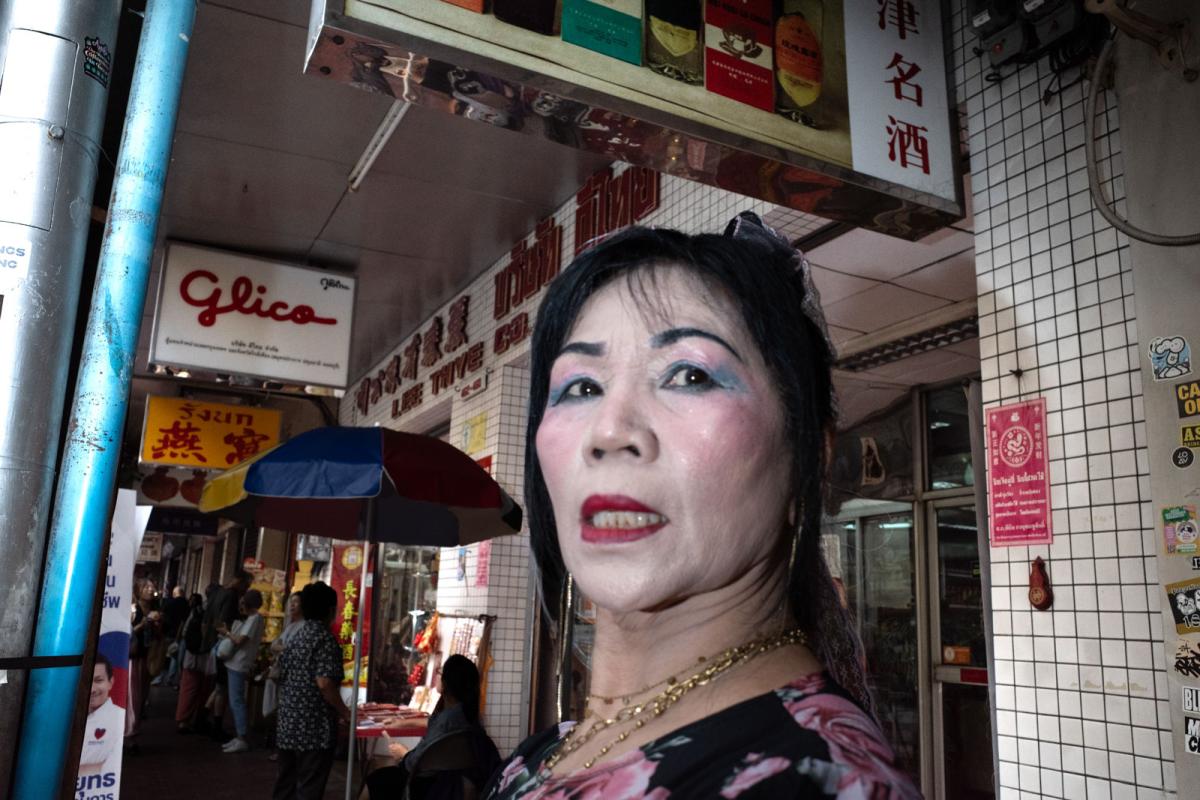
What is most striking is the way in which the author manages to convey the profoundly multicultural nature of the Thai capital without falling into the exotic postcard. Bangkok emerges as a territory of simultaneous coexistence, where "the Chinese and Indian communities are intertwined with influences from all over Southeast Asia". This multiplicity is reflected in the construction of the images: superimpositions, reflections, human fragments and architectural details coexist in the same frame with surprising naturalness.
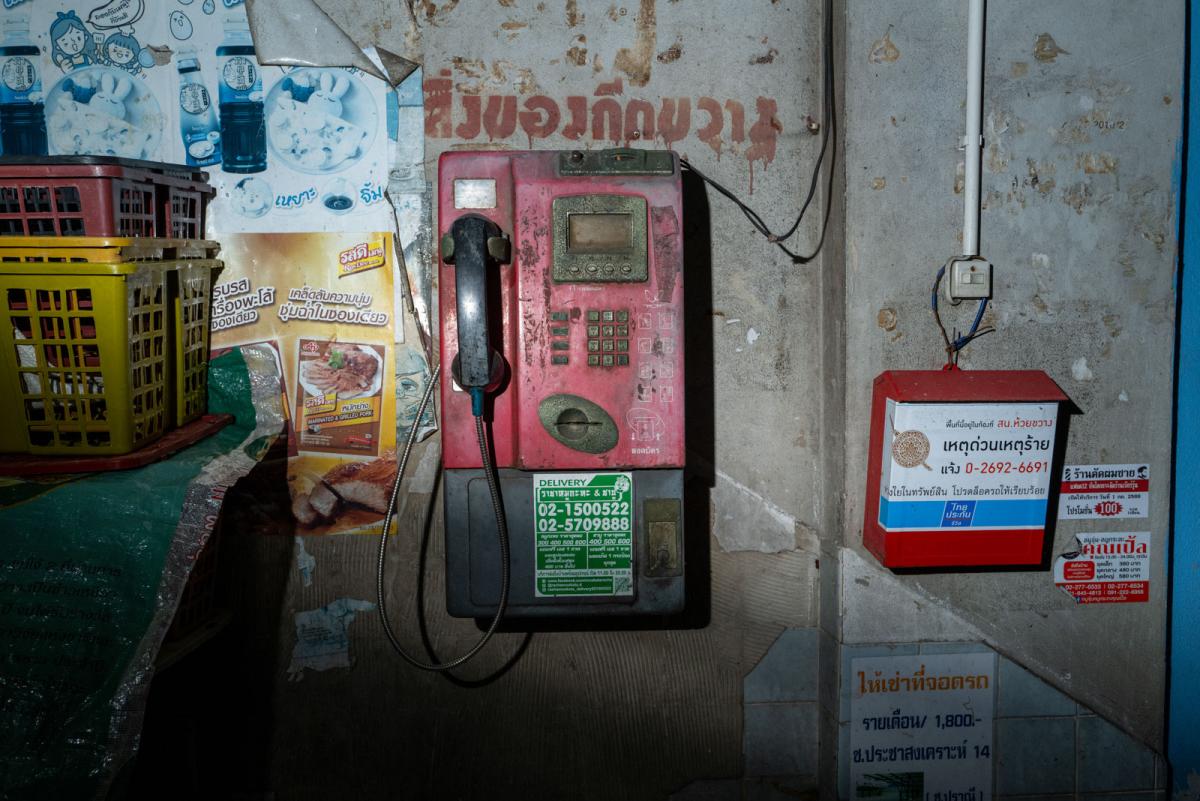
From a stylistic point of view, the project openly dialogues with the tradition of international street photography, but does so with an extremely contemporary approach. The color is saturated, vibrant, often aggressive, but never decorative. Artificial lights, neon signs and sudden shadows build a constant visual tension that recalls certain atmospheres of contemporary urban Asian cinema.
The relationship between modernity and tradition is also particularly interesting. Echague observes that in Bangkok "shrines and skyscrapers, rituals and commerce, silence and noise" coexist "without apparent conflicts". Her images manage to make this suspension visible: a city where spirituality and hypercapitalism seem to simultaneously occupy the same urban space without canceling each other out. What emerges is an intense and layered reportage, capable of describing Bangkok not as a simple geographical destination but as a total, feverish and profoundly contemporary sensory experience
Sonia Pampuri